
The Small Garage Door Issues Calabasas Homeowners Ignore Until It’s Too Late
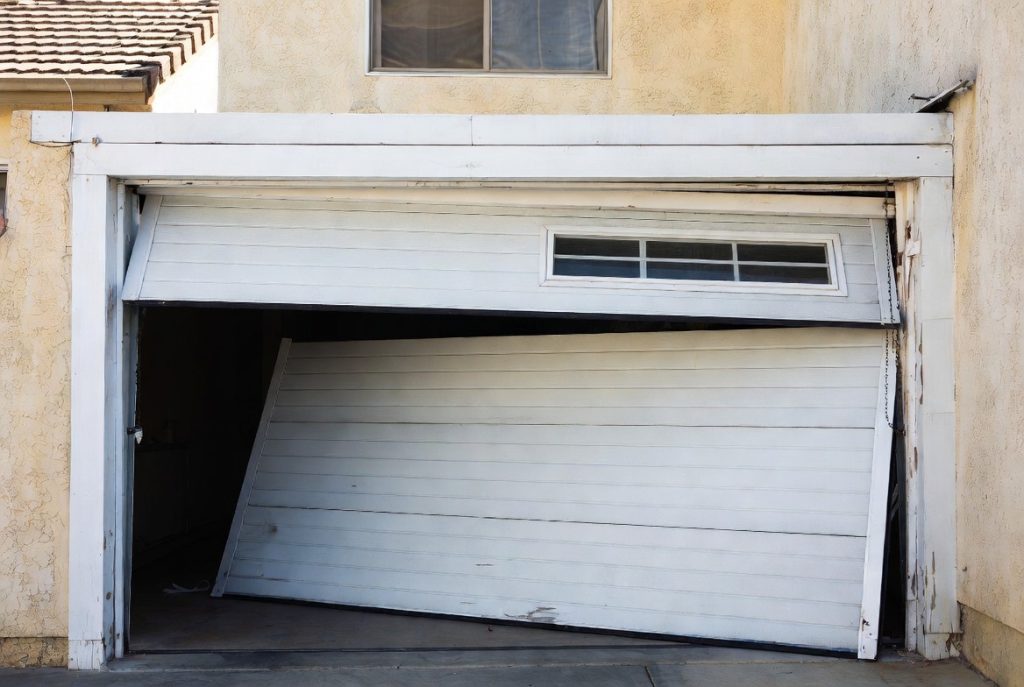
Most Garage Door Problems Don’t Announce Themselves
If there’s one pattern I’ve seen over and over working on garage doors in Calabasas, CA, it’s this: the biggest failures almost always start with the smallest signals.
Not loud crashes.
Not total breakdowns.
Just subtle changes that are easy to explain away.
A noise that comes and goes.
A door that feels slightly heavier.
A pause that wasn’t there before.
Those are the moments most homeowners ignore, not because they don’t care, but because life keeps moving and the door still works.
And that’s where the trouble starts.
Why “It Still Works” Is the Most Dangerous Phrase
This might sound counter-intuitive, but in my experience, the most dangerous garage doors are the ones that still open and close.
Working doesn’t mean healthy
A garage door can move while slowly damaging itself. Springs can weaken. Rollers can bind. Tracks can drift just enough to create friction. The opener compensates, masking the problem.
From the outside, everything looks fine.
Internally, stress is building.
That’s why so many garage door repair calls in Calabasas, CA feel sudden. The failure didn’t start suddenly. It just reached the point where compensation was no longer possible.
A Calabasas Experience That Explains This Perfectly
There’s one job in Calabasas, CA that I still think about when explaining this to homeowners.
The client told me, “It’s been making a noise for months, but it always worked.”
When I arrived, the door looked fine. No obvious damage. No broken parts. But the moment I disengaged the opener and lifted the door by hand, I felt it immediately.
The door was heavy. Uneven. Like it was fighting itself.
The noise they’d ignored was a roller bearing slowly failing. That friction transferred stress into the track, then into the cables, then into the springs. The opener had been compensating every single day.
Nothing failed loudly.
Nothing looked broken.
Until the morning the door stopped halfway and refused to move.
That’s how most garage door repair situations in Calabasas begin.
The Small Issues Homeowners Usually Dismiss First
Before any major failure, there are almost always clues. They just don’t feel urgent at the time.
A New Sound That Isn’t Consistent
This is the most common early warning sign.
A squeak that only happens sometimes.
A scraping sound on the way down but not up.
A click you hear once in a while.
Why inconsistency matters
Inconsistent noise usually means friction is developing somewhere in the system. Most often, it’s a roller starting to bind or a track beginning to take uneven pressure.
Because the noise isn’t constant, it’s easy to ignore. But inconsistency is often the first sign of mechanical wear.
The Door Feels Slightly Heavier Than It Used To
People notice this without always realizing what it means.
They’ll say things like:
- “It takes more effort now.”
- “It doesn’t glide anymore.”
- “It feels different, but it still works.”
What this usually indicates
A balanced garage door should feel surprisingly light. When it doesn’t, springs are losing efficiency and the system is drifting out of balance.
Ignoring this is one of the fastest ways a minor issue turns into a full garage door repair in Calabasas, CA.
The Opener Sounds Louder
This gets blamed on the opener itself, but that’s rarely the root cause.
What’s actually happening
Openers respond to resistance. When springs weaken or rollers bind, the opener works harder. That extra effort sounds like strain.
Replacing or adjusting the opener without addressing the mechanical issue only delays the real failure.
Why These Issues Are Easy to Ignore in Calabasas
There are a few reasons homeowners in Calabasas, CA are especially likely to dismiss early warning signs.
Daily Use Normalizes Gradual Change
Garage doors are used constantly. When something changes slowly, your brain adapts.
A slight hesitation becomes normal.
A new sound blends into routine.
A heavier feel gets blamed on age.
By the time the change becomes obvious, the system is already under serious strain.
Strong Openers Hide Mechanical Problems
Modern openers are powerful. They can lift doors even when they shouldn’t.
That strength masks:
- Weakening springs
- Increased friction
- Uneven cable tension
From the outside, the door looks fine. Internally, components are wearing faster than designed.
What’s Actually Happening Inside the System
Garage doors look simple, but they’re carefully balanced systems. When one part starts compensating, everything else follows.
Rollers Are Usually the First to Tell the Story
Rollers guide the door through the track. When they spin freely, movement is smooth.
Early roller failure looks like
- Bearings drying out
- Wheels not spinning smoothly
- Rollers sliding instead of rolling
At first, this just affects smoothness. Over time, it affects everything else.
Tracks Start Absorbing Extra Stress
Once rollers don’t roll properly, tracks take the hit.
Early track stress shows up as
- Vibration
- Minor scraping
- Uneven wear
Tracks don’t need to bend to cause serious issues. Even small changes can force the door off its ideal path.
Springs and Cables Begin Compensating
As resistance increases, the system tries to rebalance.
What happens next
- Springs work harder
- Cables pull unevenly
- The door becomes heavier
- Balance disappears
The opener hides this imbalance for a while. Eventually, it can’t.
Why Breakdowns Feel Sudden Even When They Aren’t
Most homeowners say the same thing after a failure:
“It was working yesterday.”
They’re not wrong. The door was moving.
But movement isn’t the same as health.
When a system has been compensating for too long, failure feels sudden because the final step is small. The damage was already done.
That’s why garage door repair calls in Calabasas, CA often come at the worst possible times.
The Mistake That Turns Small Wear Into a Big Repair
After years of seeing this pattern, the biggest mistake is always the same.
Waiting because the door still works
A garage door can work and still be unhealthy. Waiting until it stops completely almost always turns a manageable issue into a major interruption.
What Actually Fails When the Door Finally Stops
By the time most homeowners in Calabasas, CA reach out for help, they’re not dealing with a single failure. They’re dealing with a system that has been quietly overworking itself for a long time.
This is where the confusion usually starts.
People expect to find one obvious broken part.
What they usually have is a chain reaction.
Garage doors rarely fail in isolation
A garage door is designed so that every part shares the load. When one component starts struggling, another steps in to compensate.
Rollers stop spinning smoothly.
Tracks absorb more friction.
Springs work harder to offset resistance.
Cables pull unevenly to keep the door level.
Eventually, something reaches its limit.
That’s why garage door repair situations in Calabasas, CA often involve more than one underlying issue, even if only one thing appears broken.
Rollers That Haven’t Rolled Properly in a Long Time
One of the most common failure points I see is roller wear that went unnoticed for months.
How roller problems quietly develop
Rollers are meant to spin freely under heavy weight. Over time:
- Bearings dry out
- Dirt works its way inside
- Wheels stop rotating smoothly
At first, the roller still moves. It just slides more than it rolls.
What sliding rollers cause
- Increased friction in the track
- Vibration through the door
- Uneven lifting
- Extra stress on springs and cables
Eventually, the door reaches a point where it physically can’t move past a certain spot. That’s when homeowners experience a door stuck halfway open or closed.
Springs That Haven’t Snapped but Have Already Failed
This is one of the most misunderstood aspects of garage doors.
Springs usually fail quietly
A spring can lose a significant amount of its lifting power without ever breaking.
When that happens:
- The door becomes gradually heavier
- The opener works harder every day
- Cables experience uneven tension
- Balance slowly disappears
Because the spring is still intact, nothing looks broken. That’s why this problem often goes unnoticed until the opener can no longer compensate.
When that moment comes, the failure feels sudden — even though the spring has been weakening for a long time.
Cables That Drift Just Enough to Create a Lock-Up
Cables rely on precise, even tension. When balance is lost, they begin pulling unevenly.
Early cable drift looks harmless
- A slight tilt when opening
- One side reaching the floor first
- A subtle shake during movement
These signs are easy to ignore.
What happens if drift continues
- Tracks take uneven pressure
- Rollers bind on one side
- The door twists under load
Eventually, the door jams or comes out of alignment. At that point, what could have been a simple correction turns into a larger repair.
Tracks That Were “Close Enough” Until They Weren’t
Tracks don’t need to be visibly bent to cause problems.
Small alignment issues create constant resistance
In Calabasas, CA, track problems often come from:
- Natural settling of the home
- Previous garage modifications
- Hardware loosening over time
- Daily vibration from use
Even small alignment changes force the door to fight itself on every cycle. Over hundreds of cycles, that resistance adds up.
Why Breakdowns Always Happen at the Worst Time
This is one of the most common questions homeowners ask:
“Why did it stop working right now?”
There’s a mechanical explanation.
Environmental changes push weak systems over the edge
In early mornings or late evenings:
- Metal contracts
- Springs lose a bit of tension
- Bearings tighten
- Friction increases
If the system is already struggling, those small changes are enough to stop it completely.
That’s why garage door repair calls in Calabasas, CA often come when people are already in a rush.
Temporary Fixes vs Real Solutions
Not every repair actually fixes the problem.
Temporary fixes make the door move again
These usually include:
- Lubricating everything
- Resetting the opener
- Increasing force settings
- Tightening visible hardware
The door moves, and the problem feels solved.
But the imbalance remains.
Real repairs restore system health
A proper repair addresses:
- Door balance
- Roller performance under load
- Track alignment
- Cable tension symmetry
- Opener behavior after mechanical corrections
At North Valley Garage Doors, the goal is never just to restore movement. It’s to restore stability so the same issue doesn’t come back.
How Professionals Stop the Pattern From Repeating
Once the immediate issue is resolved, prevention becomes the focus.
Restoring proper balance
A healthy garage door:
- Lifts easily by hand
- Stays in place halfway
- Moves smoothly from start to finish
- Doesn’t rely on the opener to lift weight
Balance removes stress from every other component.
Replacing worn parts before they damage others
Worn components don’t fix themselves.
Replacing a failing roller early can prevent:
- Track damage
- Cable wear
- Spring fatigue
- Opener strain
This is how small issues stay small.
The Moment Homeowners Realize What “Normal” Should Feel Like
There’s a moment that happens on almost every completed job.
The homeowner presses the button.
The door moves smoothly.
And then they pause.
“It’s never been this quiet.”
That reaction says everything.
The noise wasn’t normal.
The hesitation wasn’t normal.
The strain wasn’t normal.
When to Act Before Small Issues Become Big Ones
You don’t need to be an expert to know when something’s off.
It’s time to act if
- A new noise appears
- A familiar sound changes
- The door hesitates
- The opener sounds louder
- The door feels heavier
- Movement becomes uneven
Those aren’t inconveniences. They’re early warnings.
The Biggest Misconception About Garage Door Failures
After years of seeing the same pattern, this belief causes more frustration than anything else.
“Garage doors just break sometimes”
They don’t.
They wear.
They drift.
They compensate.
And when they finally fail, it feels sudden only because the early signs were ignored.
Final Thought — The Door Has Been Warning You for a While
If there’s one takeaway for homeowners in Calabasas, CA, it’s this:
Big garage door failures almost always start small
They start with:
- A sound you ignore
- A movement you adjust to
- A feeling you normalize
When those signs are addressed early, repairs stay simple.
When they’re ignored, they turn into disruptions.
Understanding that difference is what keeps garage doors reliable — and keeps your day moving the way it should.