
Why Garage Door Panels Replacement in Los Angeles Rarely Starts With a Big Impact
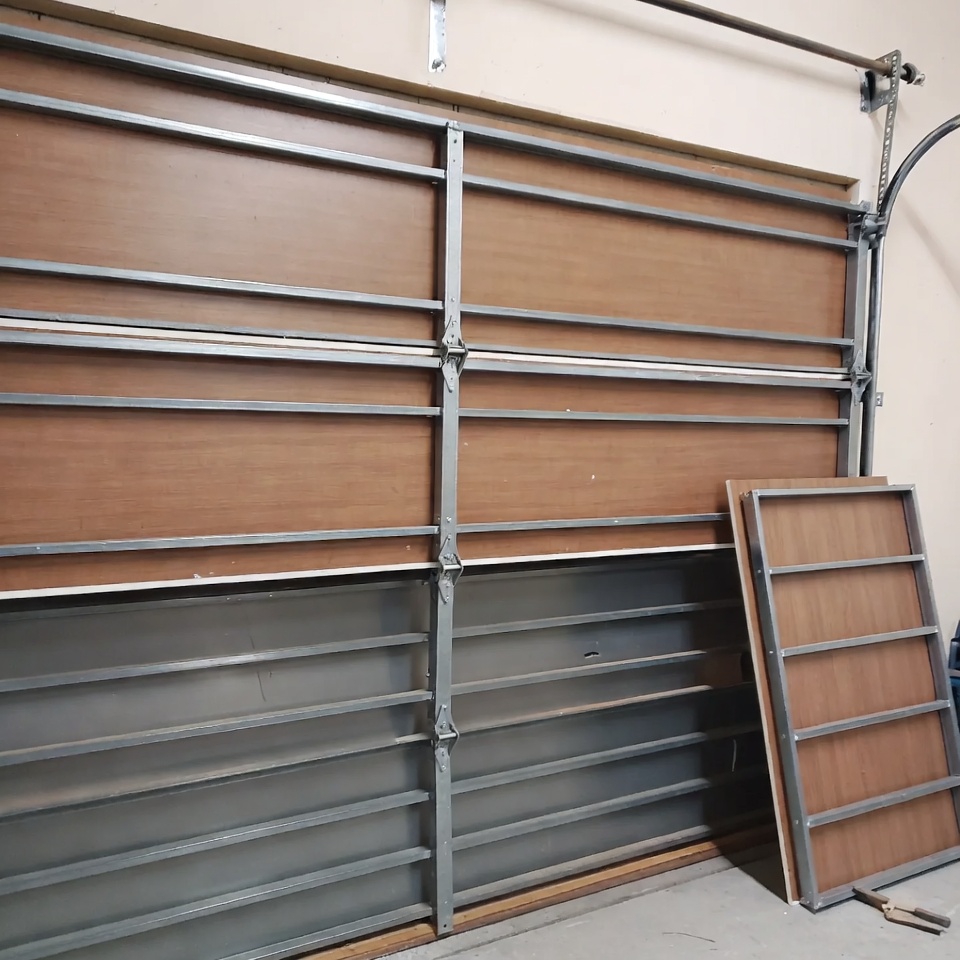
Garage Door Panels Replacement in Los Angeles Almost Never Begins With a Crash
Most people assume panel damage comes from something obvious. A car bump. A heavy object. A loud mistake.
In reality, the majority of garage door panels replacement cases in Los Angeles start quietly. No impact. No dramatic moment. Just a small change that doesn’t seem urgent at first.
After years of working on garage doors throughout Los Angeles, I can tell you this confidently: panel replacement is usually the end of a slow story, not the beginning of one.
What Homeowners Expect vs What Actually Happens
The expectation is simple.
“If a panel is damaged, I’ll know immediately.”
That’s rarely how it plays out.
What usually happens instead is subtle:
- A panel bows slightly
- The door starts closing unevenly
- A small cosmetic flaw appears and stays
Because the door still opens and closes, it doesn’t feel like a problem. But panels don’t just hold appearance. They hold alignment.
A Los Angeles Panel Replacement Call That Explains the Pattern
One garage door panels replacement job in Los Angeles sticks with me because nothing looked wrong at first glance.
The homeowner called about a door that “didn’t feel straight anymore.” No dents. No visible cracks. Just a door that seemed slightly off when closing.
Once the door was disengaged and tested manually, the issue became clear. One panel had warped just enough to throw the door out of alignment. That slight change forced the rollers and tracks to compensate every time the door moved.
The panel wasn’t broken.
It was stressed.
Left alone, it would have damaged the rest of the system.
The Counter-Intuitive Truth About Garage Door Panels
Here’s something most people don’t realize:
Panels fail from stress more often than impact
Panels are designed to stay rigid under even pressure. When pressure becomes uneven, they start to deform.
That uneven pressure usually comes from:
- Misalignment
- Repeated strain
- Weight imbalance
- Structural fatigue
A single dent is obvious. Long-term stress is not.
What Garage Door Panels Actually Do
Panels aren’t just cosmetic. They’re structural components.
Each panel:
- Keeps the door square
- Maintains even weight distribution
- Guides rollers smoothly through tracks
Once a panel loses rigidity, everything else starts adjusting around it.
Modern panels hide damage well
Many garage doors in Los Angeles use insulated or reinforced panels. These can absorb internal stress without showing obvious exterior damage.
The door looks fine.
The movement tells a different story.
Early Signs That Panels Are Becoming a Problem
Most homeowners miss these early indicators.
The door closes unevenly
If one side touches the ground before the other, something isn’t aligned. Panel warping is often part of that equation.
New noises appear without visible damage
Clicks, soft pops, or scraping sounds can indicate panels flexing under load.
The door feels tighter during movement
A panel that’s no longer square forces the system to work harder, even if the door still functions.
Why Los Angeles Doors Are Prone to Panel Stress
Panel wear isn’t random. Certain conditions make it more likely.
Frequent daily use
Many Los Angeles homes rely heavily on garage doors as primary entry points. More cycles mean more opportunities for small alignment issues to compound.
Heavier, insulated doors
Modern insulated panels add weight. That weight increases stress on hinges, rollers, and the panels themselves.
Over time, small weaknesses become permanent deformation.
Why Panel Damage Feels “Sudden” Later
By the time homeowners consider garage door panels replacement in Los Angeles, the problem feels urgent.
That urgency didn’t start recently.
Systems compensate until they can’t
When a panel warps:
- Rollers absorb extra pressure
- Tracks guide uneven loads
- Hinges flex more than intended
The system compensates quietly — until something reaches its limit.
That’s when the problem becomes visible.
The Mistake That Makes Panel Damage Worse
One behavior shows up repeatedly on panel replacement jobs.
Continuing to use the door normally
Because the door still moves, people keep using it.
Each cycle:
- Reinforces the panel’s deformation
- Spreads stress to adjacent panels
- Increases wear on hardware
What could have been a contained issue becomes a system-wide problem.
What Professionals Check Before Recommending Panel Replacement
When North Valley Garage Doors evaluates garage door panels replacement in Los Angeles, appearance is only one piece of the puzzle.
Structural integrity comes first
A panel may look acceptable but fail under load. Flex, bowing, or uneven resistance reveals whether replacement is necessary.
Alignment tells the full story
Panel damage rarely exists alone. Track alignment, roller wear, and hinge stress all indicate how long the problem has been developing.
Why “It’s Just Cosmetic” Is Often Wrong
Cosmetic damage becomes structural damage faster than most people expect.
Panels don’t fail independently
When one panel deforms:
- Adjacent panels take extra load
- Hinges experience uneven force
- Tracks experience lateral pressure
Ignoring one panel often leads to multiple replacements later.
When Panel Replacement Is the Right Call
Not every damaged panel needs immediate replacement, but some situations shouldn’t be ignored.
Replacement makes sense when
- The door no longer closes square
- Panels flex during movement
- Alignment corrections don’t hold
- Stress is spreading to other components
At that point, replacement protects the rest of the system.
Why Early Attention Changes the Outcome
Addressing panel stress early:
- Keeps damage localized
- Protects tracks and rollers
- Preserves door balance
- Prevents emergency repairs
Waiting allows deformation to spread.
What Happens When Panel Damage Is Left Alone Too Long
Once panel stress begins, the garage door system doesn’t stop working immediately. It adjusts.
That adjustment is exactly what makes panel damage dangerous.
Instead of failing outright, the door begins redistributing force in ways it was never designed to handle. Hinges pull harder. Rollers experience uneven pressure. Tracks guide a door that’s no longer square.
By the time homeowners in Los Angeles realize something is wrong, the damage has already spread.
Panel deformation creates a ripple effect
A warped or weakened panel doesn’t fail in isolation.
As the door moves:
- Adjacent panels absorb extra load
- Hinges twist slightly under tension
- Roller paths shift inside the track
Over hundreds of cycles, that ripple effect compounds. What began as a single compromised panel slowly becomes a system-wide alignment issue.
Why Panel Damage Eventually Becomes Impossible to Ignore
Panel problems don’t announce themselves loudly at first. They escalate quietly.
One day the door hesitates.
Another day it scrapes briefly.
Eventually, it refuses to close cleanly.
That progression is predictable.
Compensation has a limit
Garage door systems are engineered to tolerate minor inconsistencies. They are not built to compensate forever.
Once a panel loses rigidity:
- Tracks start guiding sideways force
- Rollers grind instead of glide
- Hinges flex beyond their intended range
Eventually, the system runs out of tolerance.
That’s when garage door panels replacement in Los Angeles suddenly feels unavoidable.
The Mistakes Homeowners Make After Panel Damage Appears
When panel damage becomes noticeable, reaction matters.
Unfortunately, certain responses make the situation worse.
Continuing normal use “just for now”
This is the most common mistake.
Because the door still opens and closes, people keep using it. Each cycle reinforces the panel’s deformation and increases stress on surrounding components.
What might have been a single-panel replacement turns into multiple affected sections.
Adjusting the opener to compensate
Increasing opener force masks symptoms but accelerates wear.
More force:
- Pushes warped panels harder
- Forces misalignment deeper into the system
- Transfers stress into the opener itself
The door moves again, but at a cost.
Why Some Panel Replacements Don’t Last
Homeowners are often surprised when a newly replaced panel doesn’t resolve the issue long-term.
There’s usually a clear reason.
The underlying alignment problem wasn’t addressed
Replacing a panel without correcting alignment is like replacing a tire without fixing suspension issues.
If the door is still:
- Out of square
- Unevenly weighted
- Forcing rollers sideways
The new panel immediately begins absorbing stress.
Structural fatigue exists beyond the visible damage
Panels fail visibly last. Hinges, brackets, and fasteners often show fatigue earlier.
If those components aren’t evaluated, new panels inherit old problems.
What Professional Panel Replacement Actually Focuses On
Effective garage door panels replacement isn’t cosmetic. It’s structural.
Door geometry is evaluated before replacement
Before replacement, professionals assess:
- Door squareness
- Panel-to-panel alignment
- Load distribution
If geometry isn’t corrected, replacement is only temporary.
Movement under load reveals hidden stress
Watching the door move under its own weight shows where force is being redirected.
This step determines whether replacement will stabilize the system or simply reset the clock.
Why Los Angeles Homes See Panel Issues More Often
Panel stress isn’t just about accidents. Environment and usage matter.
High daily usage accelerates deformation
In many Los Angeles homes, garage doors serve as the primary entrance.
Frequent cycles mean:
- More hinge movement
- More panel flex
- Less recovery time between cycles
Small weaknesses become permanent faster.
Heavier, insulated panel designs
Modern insulated panels add rigidity and weight. That weight increases stress at hinge points and panel seams.
Over time, minor alignment issues magnify their effect.
The Moment Homeowners Finally Notice the Difference
After proper panel replacement, something becomes immediately clear.
The door moves smoothly.
The scraping disappears.
The opener sounds calmer.
Almost every homeowner says the same thing:
“I didn’t realize how off it had gotten.”
That realization comes from contrast. Gradual resistance had become normal.
When Panel Replacement Is the Right Decision
Not every cosmetic flaw requires immediate action. Structural stress does.
Panel replacement is usually the right move when
- Alignment corrections don’t hold
- Panels flex during movement
- Adjacent panels show early stress
- Tracks and rollers are compensating
At that point, replacement protects the entire system.
The Biggest Myth About Garage Door Panels
After years of evaluating panel damage across Los Angeles, one belief causes the most long-term problems.
“Panels are just cosmetic”
They’re not.
Panels determine:
- Door rigidity
- Weight distribution
- Alignment stability
When a panel fails structurally, everything else adjusts — and not in a good way.
Why Early Attention Makes Panel Replacement Simpler
Catching panel stress early:
- Limits replacement scope
- Preserves surrounding components
- Prevents system-wide wear
- Avoids emergency repairs
Waiting allows stress to spread unchecked.
A Final Perspective From the Field
After handling countless garage door panels replacement jobs in Los Angeles, one pattern remains consistent.
Big panel failures almost always start small
Not with a crash.
Not with a dent.
But with subtle stress and quiet misalignment.
Paying attention early keeps panel replacement controlled and predictable. Ignoring the signs turns a manageable issue into a system-wide problem.
About the Author
This article reflects hands-on field experience from North Valley Garage Doors, serving homeowners across Los Angeles with a focus on structural integrity, system balance, and long-term reliability — not short-term fixes.