
Essential Factors to Consider for Successful Garage Door Installation
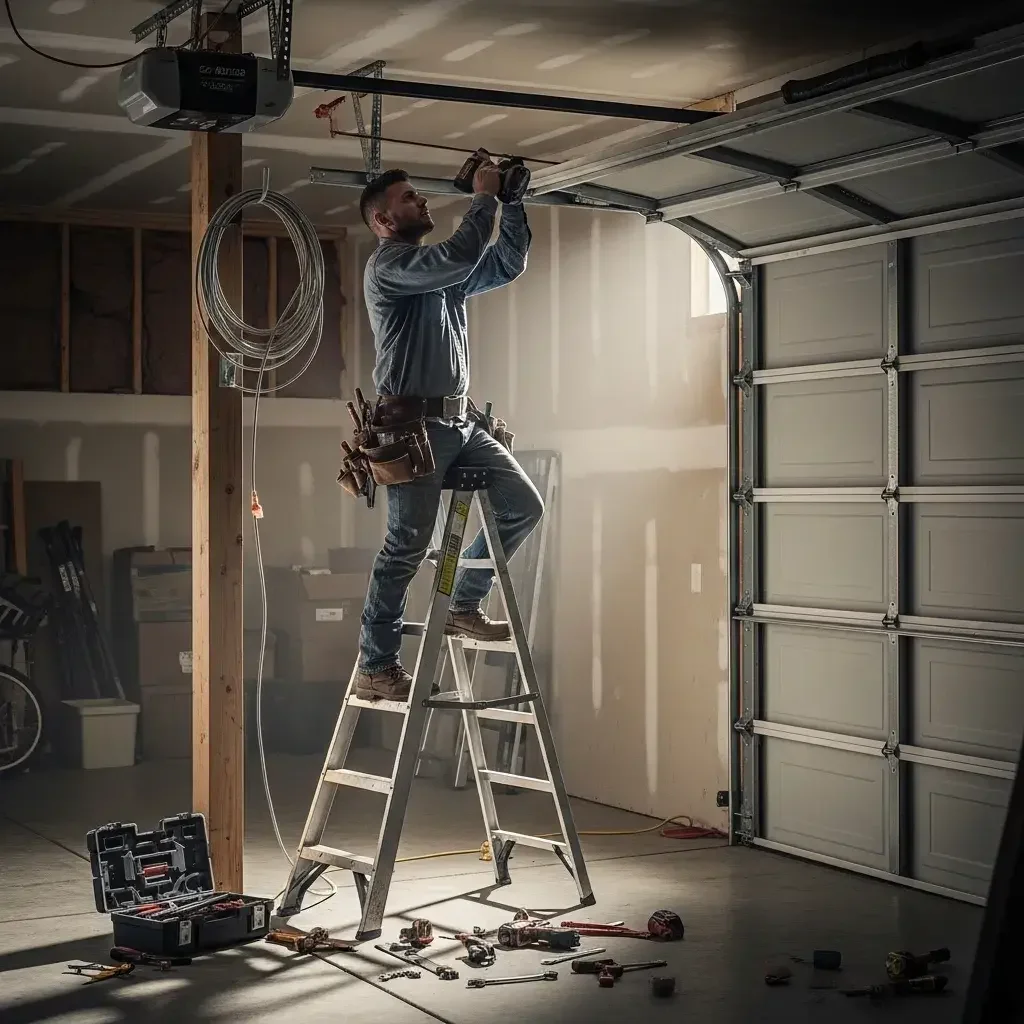
Installing a new garage door can significantly enhance the aesthetic appeal, security, and functionality of your home. However, if you’re considering garage door installation, there are several crucial factors to keep in mind. This guide will help you navigate the complexities of choosing the right garage door, understanding the installation process, and knowing what to expect along the way.
Understanding Your Needs
Before diving into the specifics of garage door installation, it’s essential to assess your needs. Consider the following:
1. Purpose of the Garage Door
Is your garage primarily a parking space, or does it serve as a workshop or storage area? Understanding the primary function of your garage will help you choose the right type of door. For example:
- For parking: A standard overhead door may suffice.
- For a workshop: An insulated door could keep the space comfortable year-round.
2. Aesthetic Preferences
Your garage door significantly impacts your home’s curb appeal. Consider the architectural style of your home when choosing a door. Options include:
- **Traditional raised panel doors
- **Contemporary flat panel doors
- Carriage house styles
Garage Door Materials: What to Choose?
The material of your garage door plays a crucial role in its appearance, durability, and maintenance. Here are the most common materials:
1. Steel
Steel doors are known for their durability and low maintenance. They can be insulated for added energy efficiency and come in a variety of styles and colors.
2. Wood
Wood doors offer a classic look and can be customized to match your home’s style. However, they require more maintenance to prevent warping and weather damage.
3. Aluminum
Aluminum doors are lightweight and resistant to rust. They are less durable than steel but can be a good option for coastal areas.
4. Fiberglass
Fiberglass doors are energy-efficient and can mimic the look of wood without the maintenance issues. They are resistant to dents but can fade over time.
Insulation: Why It Matters
Insulated garage doors can provide significant benefits, especially if you use your garage for more than just parking. Here’s why insulation is essential:
- Energy Efficiency: Insulated doors help regulate the temperature inside your garage, reducing heating and cooling costs if the garage is connected to your home.
- Noise Reduction: Insulated doors can help minimize noise from outside, providing a quieter environment.
- Durability: Insulated doors tend to be sturdier and can withstand impacts better than non-insulated options.
The Installation Process
Understanding the installation process can help you prepare for your new garage door. Here’s what you can expect:
1. Choosing a Professional Installer
While some homeowners may attempt a DIY installation, hiring a professional is often the best choice. A qualified installer will ensure that the door is properly fitted and operates smoothly. Look for local professionals with good reviews and experience, such as those at North Valley Garage Doors.
2. Measuring the Opening
Accurate measurements are critical for a successful installation. Your installer will need to measure the width, height, and headroom of the garage door opening to determine the size of the door.
3. Preparing the Site
Before installation, the area should be cleared of any obstructions. This includes removing any old doors or hardware that may interfere with the installation.
4. Installing the Door
- The installation typically involves:
- **Mounting the tracks and brackets
- **Hanging the door
- **Installing the opener (if applicable)
- Aligning the door and testing its operation
Maintenance Tips for Longevity
Once your garage door is installed, regular maintenance will keep it operating smoothly and extend its lifespan. Here are some tips:
- Inspect the door regularly: Look for any signs of wear or damage, such as rust or dents.
- Lubricate moving parts: Regularly lubricate hinges, rollers, and tracks to ensure smooth operation.
- Test the safety features: Check the auto-reverse function and test the opener’s sensors periodically.
Common Garage Door Problems and Solutions
Even with regular maintenance, issues may arise. Here are some common problems and their potential solutions:
1. Door Won’t Open or Close
This could be due to an obstruction in the track or an issue with the opener. Check for any blockages and ensure the opener is functioning correctly.
2. Noisy Operation
If your garage door is noisy, it may require lubrication or adjustment. Inspect the rollers, hinges, and track for any signs of wear.
3. Misaligned Tracks
If the door is not moving smoothly, the tracks may be misaligned. This can often be corrected by loosening the screws and repositioning the tracks.
Conclusion
Garage door installation is a significant investment that can enhance your home’s security, energy efficiency, and aesthetic appeal. By considering your needs, choosing the right materials, understanding the installation process, and performing regular maintenance, you can ensure that your new garage door serves you well for years to come.
If you’re ready to take the next step, don’t hesitate to reach out to local professionals for guidance and assistance. For expert installation services, check out North Valley Garage Doors and make your garage door dreams a reality!