
The Early Warning Signs Behind Most Garage Door Repair Emergencies
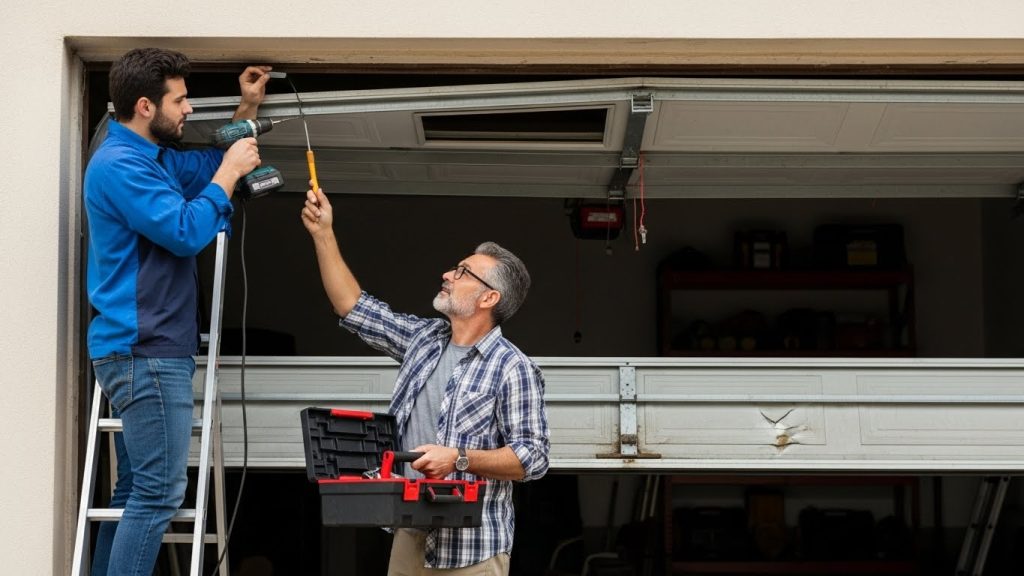
Most Emergencies Don’t Start as Emergencies
Almost every emergency call I’ve handled in Santa Clarita, CA starts the same way.
The homeowner doesn’t say, “My garage door exploded.”
They say, “It was working fine… until it wasn’t.”
That sentence alone tells me a lot.
Because when it comes to garage door repair santa clarita, true emergencies are rarely sudden. They’re slow, quiet, and polite. They give warning signs weeks or even months in advance, but those signs don’t look urgent enough to interrupt daily life.
Until one morning the door won’t open.
Or one night it won’t close.
Or it stops halfway, crooked, blocking the entire garage.
By then, the problem has already grown past the “simple” stage.
The Counter-Intuitive Reality Homeowners Don’t Expect
Here’s something I wish more people knew:
The biggest garage door failures usually come from the smallest ignored changes
Not loud crashes.
Not snapped parts.
Not dramatic breakdowns.
It’s the quiet stuff that does the damage.
A roller that doesn’t spin as freely as it used to.
A spring that lost a little tension.
A cable that pulls just slightly unevenly.
A track that drifted a fraction out of alignment.
Each one seems harmless on its own. Together, they turn into the kind of situation that leads to emergency garage door repair santa clarita calls.
A Call I’ll Never Forget in Santa Clarita, CA
One of the clearest examples of this came from a home in Santa Clarita, CA not too long ago.
The homeowner said the door suddenly stopped closing late at night. When I asked if there had been any warning signs, he hesitated and said:
“Well… it’s been making this light scraping sound for a while, but it always worked.”
When I arrived, nothing looked broken. No cables on the floor. No bent panels. No snapped springs. But the moment I lifted the door by hand, I could feel it.
The system was fighting itself.
That scraping noise had been a roller binding inside the track. That resistance slowly transferred stress into the cables and springs. The opener compensated for weeks, hiding the problem. And when temperatures dropped that evening, the system finally hit its limit.
What felt “sudden” to the homeowner had actually been building for months.
Why Santa Clarita Garage Doors Are Especially Prone to Quiet Failures
There are a few reasons these problems show up so often in Santa Clarita, CA.
Heavier Doors on Aging Systems
Many homeowners upgrade their garage doors but keep:
- Older springs
- Older rollers
- Older tracks
The door looks new, but the system underneath wasn’t designed for the added weight. Stress builds quietly until something gives.
Daily Use Adds Up Faster Than People Realize
Garage doors don’t get “occasional” use. They get daily repetition.
Open.
Close.
Open.
Close.
Thousands of cycles later, even small imperfections turn into real mechanical problems. This is one of the biggest reasons garage door repair santa clarita calls spike in neighborhoods with active households.
The Early Warning Signs Most Homeowners Miss
Let’s get specific. These are the signs I see over and over before an emergency happens.
New or Changing Noises
This is the number one warning sign.
Sounds that matter
- Light squeaking
- Soft scraping
- Clicking during movement
- Grinding that comes and goes
Garage doors are repetitive machines. When a sound changes, something inside the system has changed too.
That noise is information. Ignoring it is what turns minor wear into a major garage door repair santa clarita situation.
The Door Feels Heavier Than It Used To
Many homeowners notice this but dismiss it.
What that heaviness means
- Springs are weakening
- Balance is drifting
- The opener is doing extra work
A properly balanced door should feel surprisingly light when lifted manually. When it doesn’t, the system is already compensating.
Slight Hesitation or Jerky Movement
This is another subtle sign.
Common causes
- Rollers wearing unevenly
- Tracks shifting slightly
- Cable tension no longer even
- Panels moving out of sync
Smooth motion means healthy components. Jerky motion means resistance — and resistance spreads.
The Opener Sounds Louder or Strained
This one gets blamed on the opener itself, but that’s rarely the real issue.
Why openers get loud
Openers aren’t designed to lift weight. Springs are. When springs weaken or friction increases, the opener compensates.
That extra effort:
- Increases noise
- Shortens opener lifespan
- Masks deeper mechanical problems
Eventually, the opener can’t keep up anymore, and the door stops working altogether.
Why These Signs Are So Easy to Ignore
Most homeowners aren’t careless. They’re just busy.
“It Still Works” Creates False Confidence
Garage doors are forgiving systems. They keep moving even when they’re unhealthy. That creates the illusion that nothing is wrong.
The opener hides resistance.
The door muscles through friction.
The noise becomes familiar.
Until one day, it doesn’t work at all.
Problems Hide Where You Can’t See Them
You can’t easily see:
- Spring fatigue
- Bearing wear
- Cable stretch
- Track pressure points
From the outside, everything looks normal. That’s why waiting for something obvious usually means waiting too long.
How a Professional Diagnoses Early Warning Signs
When someone calls North Valley Garage Doors for garage door repair santa clarita, we don’t guess. We test.
Manual Balance Testing
Before touching the opener, the door is lifted by hand.
What this reveals
- True door weight
- Spring performance
- Resistance points
- Overall balance
A healthy door lifts smoothly and stays halfway open without drifting.
Roller and Track Behavior Under Load
Rollers can look fine and still be failing.
What we check
- Free movement under weight
- Uneven wear patterns
- Track spacing and alignment
Most noise-related issues start right here.
Cable and Drum Synchronization
Cables must lift evenly on both sides.
Early problems include
- Uneven winding
- Drums drifting on the shaft
- Cables rubbing where they shouldn’t
Left alone, these issues almost always lead to emergency calls.
The Biggest Mistake That Turns Warnings Into Emergencies
This is the pattern I see most.
Waiting because the door “still works”
A warning sign today usually means:
- Adjustment tomorrow
- Wear spreading next month
- Emergency garage door repair santa clarita later
Catching problems early isn’t about panic. It’s about control.
What Actually Fails When a Garage Door Emergency Finally Happens
By the time most homeowners in Santa Clarita, CA reach out for garage door repair santa clarita, the door has already moved past the warning stage. It’s no longer just noisy or inconsistent. Something has crossed a mechanical threshold.
What surprises people is how rarely the failure is dramatic.
There’s usually no loud snap.
No obvious collapse.
No single part you can point to and say, “That’s the problem.”
Instead, it’s a quiet breakdown of balance.
Garage door emergencies are usually the result of layered stress
One component starts to struggle. Another compensates. A third absorbs extra load. Over time, the entire system becomes unstable.
When it finally stops working, everything feels broken at once.
Rollers That Have Been Slowly Failing Under Load
Rollers are one of the first parts to show early wear and one of the last parts homeowners think about.
What actually happens
Rollers don’t usually crack or fall apart. They lose their ability to spin freely. Bearings dry out. Wheels start sliding instead of rolling.
At first, this causes:
- Light squeaking
- Slight vibration
- Small movement hesitation
Later, it turns into:
- Track wear
- Cable stress
- Uneven lifting
- Door shaking or stopping
In many garage door repair santa clarita emergencies, at least one roller has been binding for months before the door finally failed.
Springs That Haven’t Broken, But Have Already Failed
This is one of the most misunderstood issues.
Springs don’t need to snap to stop doing their job
A spring can lose a significant amount of lifting power without ever breaking. When that happens:
- The door becomes heavier
- The opener compensates
- Cables pull unevenly
- Balance disappears
The opener hides the problem for a while. Then one day, it can’t lift the door anymore.
To the homeowner, it feels sudden.
To the system, it was inevitable.
Cables That Slowly Drift Out of Sync
Cables are unforgiving components.
Early cable issues look like
- Slight door tilt
- One side reaching the top first
- A subtle shake during movement
As tension drifts:
- Tracks experience uneven pressure
- Rollers bind
- The door twists under load
Eventually, the door jams or gets stuck crooked. That’s when most people call for emergency garage door repair santa clarita service.
Tracks That Are Technically “Fine” but Functionally Wrong
Tracks don’t need to be bent or broken to cause major problems.
Small alignment issues create big resistance
- Loose fasteners
- Minor wall settling
- Old remodel adjustments
- Vibration over time
Even a slight change in spacing forces the door to fight its own path. That resistance spreads stress across the entire system.
In Santa Clarita, CA, where many homes have been modified or expanded over the years, this is incredibly common.
Why Garage Door Emergencies Always Seem to Happen at the Worst Time
This question comes up constantly:
“Why did this happen right now?”
There’s a real mechanical answer.
Environmental changes push weak systems past their limit
In the evening and early morning:
- Metal contracts
- Springs lose a bit more tension
- Bearings tighten
- Friction increases
If the system is already struggling, those small changes are enough to stop it completely.
That’s why so many garage door repair santa clarita emergencies happen:
- Before work
- Late at night
- When you’re already in a rush
The door didn’t suddenly fail. It just ran out of room to compensate.
Temporary Fixes vs. Real Repairs (Why Some Emergencies Repeat)
Not every repair solves the real problem.
Temporary fixes focus on symptoms
These often include:
- Lubricating everything
- Resetting the opener
- Adjusting force settings
- Tightening visible hardware
The door moves again, but the system is still out of balance.
Real repairs address the system as a whole
A proper repair looks at:
- Door weight vs spring strength
- Roller condition under load
- Track alignment
- Cable tension balance
- Opener behavior after corrections
At North Valley Garage Doors, when we handle garage door repair santa clarita, the goal is to stop the same issue from coming back, not just get the door moving for the moment.
How We Stop Emergency Issues From Turning Into Repeat Problems
Once the immediate failure is handled, prevention becomes the priority.
Restoring Proper Door Balance
A balanced door:
- Lifts smoothly by hand
- Stays in place halfway
- Doesn’t rely on the opener to lift weight
Balance removes stress from every other component.
Addressing Worn Parts Before They Cause Collateral Damage
Worn parts don’t fix themselves.
Replacing a failing roller early can prevent:
- Track damage
- Cable wear
- Spring fatigue
- Opener strain
This is how small fixes stay small.
Correcting Alignment Instead of Forcing Movement
Forcing a door through resistance always creates new problems.
Proper alignment:
- Reduces noise
- Improves smoothness
- Extends system life
Making Sure the Opener Is No Longer Compensating
Once the mechanical system is healthy, the opener becomes quiet again.
If it still sounds strained, something else is still wrong.
The Moment Homeowners Realize What “Normal” Should Feel Like
There’s a moment I see almost every time after a proper repair.
The homeowner presses the button.
The door moves.
And then they pause.
“It’s never been this quiet.”
That’s when it clicks.
Noise isn’t normal.
Struggle isn’t normal.
Jerky movement isn’t normal.
A healthy garage door should feel boring. Smooth. Predictable.
When to Call Before It Becomes an Emergency
You don’t need to be an expert. Just pay attention.
Call sooner if
- A new noise appears
- The sound changes
- The door hesitates
- The opener gets louder
- The door feels heavier
- Movement becomes uneven
Those are early warnings, not inconveniences.
Acting early keeps garage door repair santa clarita from becoming a full stop to your day.
Final Thought — Emergencies Start With Something You Almost Ignored
If there’s one thing homeowners in Santa Clarita, CA should remember, it’s this:
Garage doors don’t fail suddenly — we just stop listening
That squeak.
That scrape.
That hesitation you got used to.
Those were warnings.
When you listen early, repairs stay controlled.
When you wait, they turn into emergencies.
At North Valley Garage Doors, that’s why we take early signs seriously. Because most emergency garage door repair santa clarita calls didn’t start as emergencies at all.