
Garage Door Repair in the San Fernando Valley: The Small Warnings Most People Miss
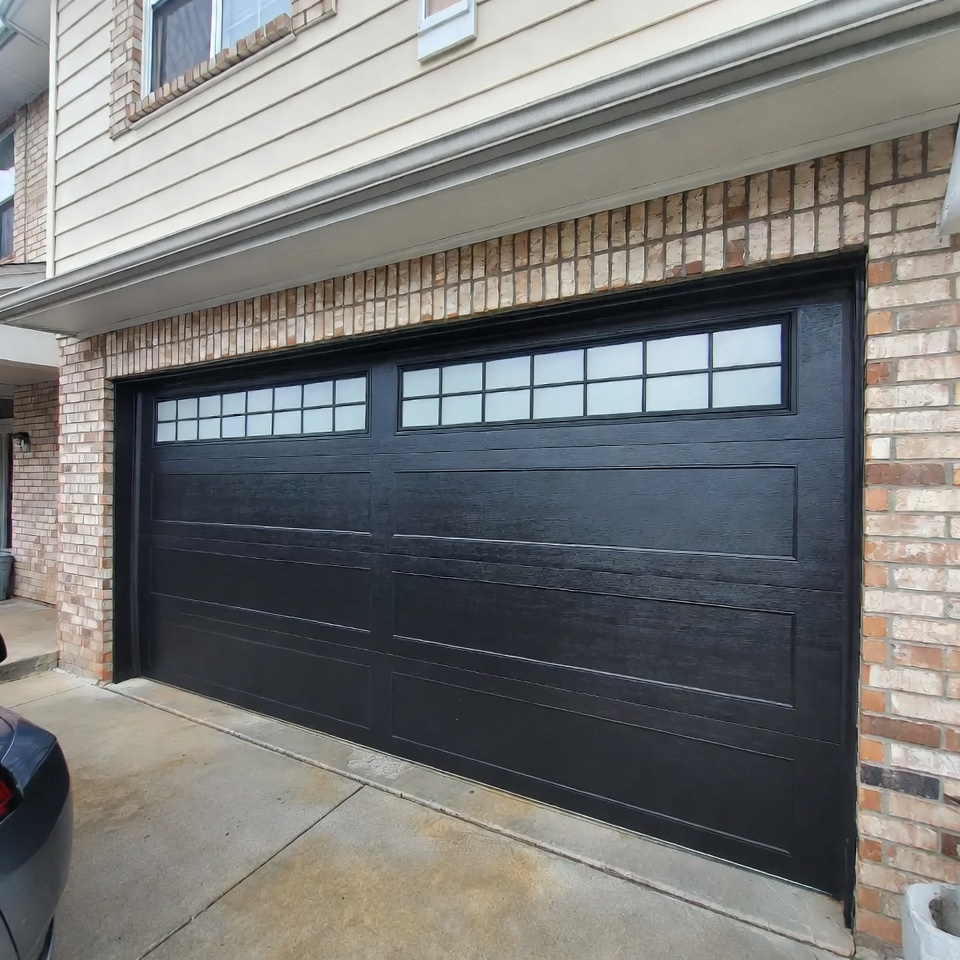
Garage Door Repair in the San Fernando Valley Rarely Starts With a Breakdown
Most garage door repair calls in the San Fernando Valley don’t start with a door that’s completely broken. They start with something much quieter.
A sound that comes and goes.
A door that feels slightly heavier.
A movement that doesn’t feel as smooth as it used to.
After years of handling garage door repair in the San Fernando Valley, I can tell you this with confidence: the doors that fail dramatically are almost never the ones that were truly fine the day before.
They were warning someone. The warnings just went unnoticed.
The First Thing I Notice on San Fernando Valley Repair Calls
When I arrive at a home for garage door repair in the San Fernando Valley, I’m not listening for noise first. I’m watching movement.
How the door lifts.
Where it hesitates.
Whether one side reaches the floor before the other.
Those details tell the real story.
Noise gets attention. Movement explains the cause.
A San Fernando Valley Call That Explains Almost Every Repair
There’s one garage door repair call in the San Fernando Valley that stuck with me because the homeowner almost didn’t call.
They said the door “felt off” for a few weeks. Nothing alarming. No emergency. Just a slight drag near the bottom and a soft clicking noise that didn’t happen every time.
When I disconnected the opener and lifted the door manually, the issue showed itself immediately.
The door was out of balance. Not dramatically, but enough that one spring was doing more work than the other. Rollers on one side were starting to slide instead of roll. The opener had been compensating quietly for weeks.
Another month or two, and that door would have stopped moving altogether.
That’s what most garage door repair situations in the San Fernando Valley actually look like before they turn urgent.
The Counter-Intuitive Truth About Garage Door Problems
Here’s something that surprises almost every homeowner:
The doors that still “work” are often the most dangerous
When a door refuses to move, people act fast.
When a door works with resistance, people wait.
Strong openers hide imbalance.
Daily use masks gradual wear.
Small changes become the new normal.
That’s why many garage door repair calls in the San Fernando Valley come from homes where nothing seemed wrong until everything stopped.
What Actually Wears Down First in San Fernando Valley Garage Doors
Across hundreds of calls, the order of wear is remarkably consistent.
Rollers usually complain first
Rollers carry constant load. When their bearings dry out or flatten slightly, they stop rolling smoothly.
Early signs include:
- Short squeaks at the same spot
- Light scraping sounds
- Subtle vibration during travel
Most people ignore these because the door keeps moving. But sliding rollers transfer stress directly into the track system.
Track problems are usually inherited, not original
Tracks don’t usually fail on their own.
They fail because:
- Rollers stop rotating
- Hardware loosens from vibration
- Alignment drifts under uneven load
By the time a track looks visibly off, something else has been wrong for a while.
Springs weaken long before they break
This is one of the most misunderstood parts of garage door repair in the San Fernando Valley.
Springs don’t need to snap to fail. They lose lifting efficiency gradually.
As that happens:
- The door feels heavier
- The opener strains more
- Cables experience uneven tension
The system compensates until it reaches a limit.
Why Garage Door Repair Feels Sudden Even When It Isn’t
From a homeowner’s point of view, the failure feels abrupt.
From a mechanical point of view, it’s predictable.
Garage doors fail by accumulation, not surprise
Every cycle with imbalance adds stress.
Every hesitation spreads wear.
Every ignored sound tightens the margin.
When one component finally reaches its threshold, the system has nowhere left to compensate.
That’s when garage door repair in the San Fernando Valley suddenly feels urgent.
Why San Fernando Valley Homes See These Patterns So Often
The San Fernando Valley has a few characteristics that accelerate garage door wear.
Frequent daily use
Many households rely heavily on their garage doors for daily access. Multiple open-and-close cycles every day speed up wear that might take years elsewhere.
Powerful openers hide mechanical issues
Modern openers used throughout the San Fernando Valley are strong. They keep doors moving even when balance is off.
The opener isn’t fixing the problem.
It’s hiding it.
By the time the opener struggles, the system has already been stressed for a long time.
The Mistake That Turns Small Problems Into Big Repairs
There’s one behavior I see constantly on garage door repair calls.
Repeatedly forcing the door to move
When a door hesitates, people press the button again. And again.
Each attempt:
- Forces weak springs
- Grinds worn rollers
- Pushes misaligned tracks
By the time the repair happens, the original issue has multiplied.
What Professionals Check First on Repair Calls
When North Valley Garage Doors handles garage door repair in the San Fernando Valley, the visible problem is never the whole story.
Balance comes before everything else
A healthy garage door:
- Lifts easily by hand
- Stays in place halfway
- Moves without resistance
If balance is off, no repair lasts long.
Wear patterns tell how long the issue has existed
Uneven roller wear.
Cable drift.
Vibration marks along the track.
These details show whether the issue is new or has been building quietly for months.
Why “It Still Works” Is the Most Misleading Phrase
I hear this on almost every garage door repair call in the San Fernando Valley.
Movement does not equal health
A door can move while:
- Springs are weakened
- Rollers are sliding
- Tracks are misaligned
Movement only means the system hasn’t failed yet.
Why Early Attention Changes the Outcome Completely
When issues are addressed early:
- Repairs stay small
- Stress stays localized
- Emergencies are avoided
Waiting does the opposite.
What Actually Breaks When Small Warnings Are Ignored
When garage door repair in the San Fernando Valley turns urgent, homeowners usually assume something suddenly failed. In reality, what failed was the system’s ability to keep compensating.
Garage doors are forgiving. They adapt. They redistribute load quietly. But every adjustment the system makes internally comes at a cost.
Eventually, that cost comes due.
Failure is usually the end of a long negotiation
A garage door doesn’t break after one bad cycle. It breaks after hundreds or thousands of cycles where something wasn’t quite right.
Springs lift more than intended.
Rollers absorb friction instead of motion.
Tracks guide while also resisting force.
The system negotiates with physics for as long as it can. Then the negotiation ends.
Why Breakdowns Always Seem to Happen at the Worst Time
One question comes up on almost every emergency call for garage door repair in the San Fernando Valley:
“Why did this happen today?”
There’s a mechanical explanation for that timing.
Small environmental changes expose weak systems
Garage doors are sensitive to:
- Temperature changes
- Metal expansion and contraction
- Slight shifts in spring tension
A healthy door absorbs those changes without complaint. A stressed door cannot.
That’s why failures often happen:
- Early in the morning
- Late at night
- Right when someone is rushing
The door didn’t choose a bad moment. The moment exposed a problem that was already there.
The Chain Reaction I See Most Often Across the Valley
After enough garage door repair calls across the San Fernando Valley, the same sequence appears again and again.
Step one: roller resistance
Rollers are designed to reduce friction. When they stop rotating freely, friction becomes the dominant force.
At first:
- Noise appears briefly
- Vibration shows up in one section
Later:
- Tracks begin to flex
- Mounting hardware loosens
The problem spreads outward.
Step two: track alignment drift
Once rollers slide instead of roll, tracks start taking on jobs they weren’t designed for.
They begin:
- Absorbing sideways force
- Guiding uneven loads
- Compensating for imbalance
By the time tracks look visibly misaligned, the real issue has usually existed for months.
Step three: spring fatigue
Springs are blamed for many failures they didn’t start.
They weaken gradually. As lifting efficiency drops:
- Doors feel heavier
- Openers strain
- Cables pull unevenly
Eventually, the system loses balance altogether.
This is why many garage door repair calls in the San Fernando Valley involve doors that suddenly won’t lift even though the springs haven’t snapped.
Temporary Fixes That Create Repeat Repairs
When something starts going wrong, homeowners naturally try to make it go away.
Unfortunately, some common “fixes” make long-term damage worse.
Lubrication that hides symptoms
Lubrication can reduce noise temporarily, which feels like progress.
But it doesn’t:
- Restore balance
- Correct alignment
- Remove internal stress
The door feels better while continuing to wear underneath.
Increasing opener force
Turning up opener force allows a struggling door to keep moving.
It also:
- Forces weak springs to keep compensating
- Allows worn rollers to keep sliding
- Transfers stress into the opener
This often turns a manageable repair into a larger one later.
What Professional Garage Door Repair Actually Focuses On
Effective garage door repair doesn’t start with replacing parts. It starts with understanding the system.
Balance is always the first checkpoint
Before anything else, balance is evaluated.
A healthy door:
- Lifts easily by hand
- Stays in place halfway
- Moves smoothly without resistance
If balance is off, no repair lasts long.
Movement reveals what noise cannot
Watching the door move under load shows:
- Where resistance lives
- How force is distributed
- Which parts are compensating
Noise points you toward a problem. Movement explains why it exists.
Why Some Homes Need Garage Door Repair Over and Over
Certain homes seem to experience recurring garage door problems.
There’s a reason.
Fixing symptoms resets the clock, not the system
When only the obvious failure is addressed:
- The door works again
- Internal stress remains
- Wear continues quietly
Weeks or months later, another component reaches its limit.
That’s how repeat repair cycles are created.
The Difference Between Short-Term Repairs and Long-Term Solutions
After years of garage door repair work in the San Fernando Valley, the difference is clear.
Long-term solutions restore system health
They:
- Correct balance
- Reduce friction
- Stop compensation
- Normalize wear patterns
When the system is healthy, problems don’t quietly return.
Short-term fixes delay the inevitable
They:
- Mask symptoms
- Push stress elsewhere
- Create future emergencies
The relief feels real — until the next breakdown.
The Moment Homeowners Always Have After Proper Repair
This moment happens on almost every well-done job.
The door moves smoothly.
The noise disappears.
The strain is gone.
Then the homeowner says:
“I didn’t realize how bad it had gotten.”
That realization comes from contrast. Resistance had slowly become normal.
When to Pay Attention Before a Repair Becomes Urgent
Not every sound requires panic, but certain changes should never be ignored.
Take action if you notice
- New or repeating noises
- Hesitation at the same spot
- Uneven movement
- A heavier feel when lifting manually
- A louder or strained opener
Those are signals, not quirks.
The Biggest Myth Behind Garage Door Repair Calls
After seeing the same situations repeat across the San Fernando Valley, one belief causes more damage than anything else.
“Garage doors just break sometimes”
They don’t.
They warn first.
They compensate next.
They fail last.
Most garage door repair calls happen at the very end of that process.
Why Early Attention Changes Everything
Addressing issues early:
- Keeps repairs limited
- Prevents emergencies
- Reduces long-term system stress
- Extends component life
Waiting concentrates all of that into one inconvenient moment.
A Final Perspective From the Field
After hundreds of garage door repair calls across the San Fernando Valley, the pattern is clear.
Big failures almost always start small
A sound that comes and goes.
A door that feels slightly heavier.
A movement that doesn’t feel quite right.
Those moments are the system asking for attention.
Listening early keeps problems small. Ignoring them turns quiet warnings into urgent repairs.
About the Author
This article reflects real-world field experience from North Valley Garage Doors, serving homeowners across the San Fernando Valley with a focus on long-term reliability, system health, and practical solutions — not quick fixes.