
Essential Considerations for a Successful Garage Door Installation
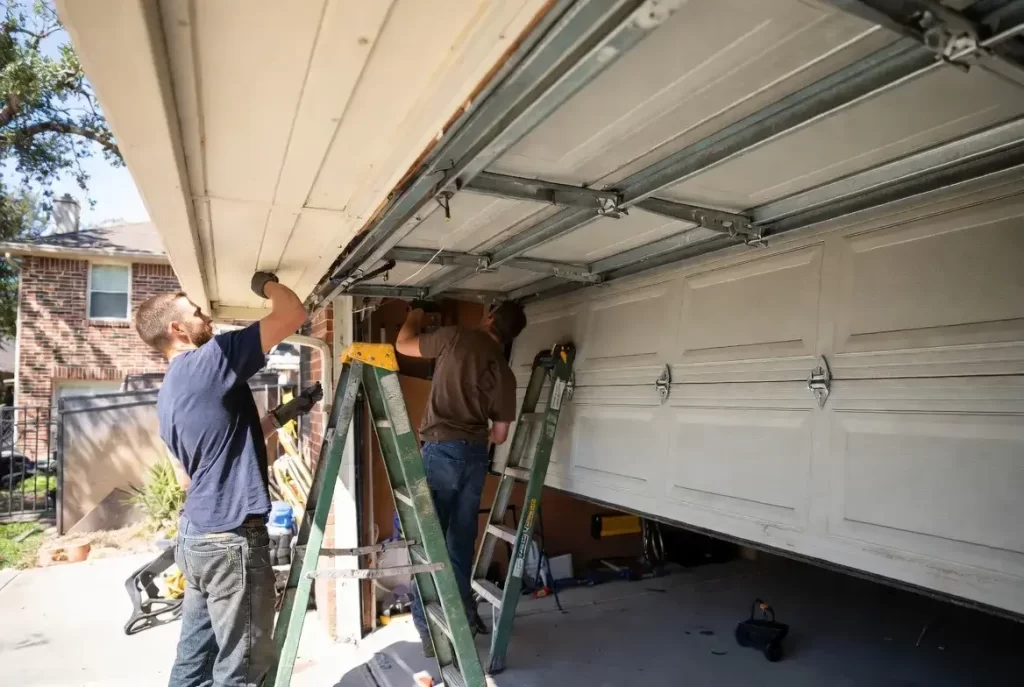
When it comes to enhancing your home’s curb appeal and functionality, garage door installation is often overlooked. However, this crucial element of your property not only secures your vehicles but also plays a significant role in energy efficiency and overall aesthetics. If you’re considering a garage door installation, understanding the finer points can make all the difference. Here’s what you need to know.
Understanding Your Needs
Before diving into the specifics of garage door installation, it’s essential to assess your needs. Consider the following factors:
1. Purpose and Functionality
Are you looking for a garage door primarily for security, aesthetic appeal, or insulation? Understanding the primary purpose will guide your selection process. For instance, if insulation is a priority, you may want to explore insulated garage doors that can help regulate temperature.
2. Style and Material
The style of your garage door can significantly impact your home’s exterior. Common styles include:
- Traditional: These doors often feature raised panels and are usually made from steel or wood.
- Contemporary: Sleek lines and minimalistic designs characterize these doors, often utilizing glass and aluminum.
- Carriage House: These doors mimic the look of old carriage house doors with decorative hardware and can swing open or operate like traditional doors.
Material is also a crucial consideration. Steel, wood, fiberglass, and aluminum all have unique benefits and drawbacks. Steel doors are durable and require less maintenance, while wooden doors offer a classic look but may require regular upkeep.
3. Size and Fit
Garage doors come in various sizes, and ensuring the right fit is vital for proper operation. Measure your garage opening accurately, taking into account any space for the tracks and hardware.
The Installation Process
Understanding the installation process can help you prepare for what to expect. Whether you decide to hire professionals or go the DIY route, here are the key steps involved.
1. Preparation
Prior to installation, you’ll need to clear the area around the garage door. If you’re replacing an existing door, remove it carefully, ensuring you don’t damage the frame or surrounding areas.
2. Installing the Tracks
Once the area is prepared, the installation of tracks is the next step. Tracks are crucial as they guide the door when it opens and closes. Ensure they are level and aligned correctly to prevent operational issues later on.
3. Hanging the Door
With the tracks in place, it’s time to hang the garage door. This step often requires multiple hands to hold the door in position while securing it to the tracks. It’s essential to follow the manufacturer’s instructions closely to avoid mistakes.
4. Installing the Opener
If your garage door comes with an opener, now is the time to install it. Most modern garage doors offer smart technology that allows you to operate them via a smartphone app, adding convenience to your daily routine.
5. Final Adjustments
After everything is in place, it’s crucial to make final adjustments. Check the balance of the door and ensure that it opens and closes smoothly. This step is vital to prolonging the life of your garage door and ensuring safety.
Safety Considerations
When installing a garage door, safety should be at the forefront of your mind. Here are a few safety tips to keep in mind:
- Follow Manufacturer Guidelines: Always adhere to the installation guidelines provided by the manufacturer to prevent accidents.
- Use Safety Gear: If you’re taking the DIY approach, don’t forget to use safety goggles and gloves.
- Check the Door’s Balance: An unbalanced door can be dangerous. Make sure it operates smoothly to avoid any mishaps.
Maintenance Tips for Longevity
Once your garage door installation is complete, maintaining it is key to ensuring its longevity and performance. Here are some practical maintenance tips:
1. Regular Inspections
Periodically inspect your garage door for signs of wear and tear. Look for frayed cables, rust on metal parts, and any gaps around the door.
2. Lubrication
Regularly lubricate the moving parts of your garage door, including the rollers, hinges, and tracks. This will help keep it operating smoothly and prevent unnecessary wear.
3. Weather Stripping
Check the weather stripping around your garage door to ensure it’s intact. This helps maintain energy efficiency by preventing drafts.
4. Professional Maintenance
Consider scheduling professional maintenance at least once a year. A trained technician can spot potential issues before they become serious problems.
Why Choose Professional Installation?
While DIY garage door installation might seem appealing, opting for professional installation has its advantages. Here’s why you should consider hiring experts:
- Expertise: Professionals have the training and experience to handle complex installations efficiently and safely.
- Warranty: Many manufacturers require professional installation to maintain warranty coverage, protecting your investment.
- Time-Saving: Professionals can complete the job much faster than a DIY project, allowing you to enjoy your new garage door sooner.
At North Valley Garage Doors, we specialize in providing high-quality garage door installation services tailored to your needs. Our team of experts is here to ensure your installation goes smoothly and meets all safety standards.
Conclusion
Garage door installation is not just about choosing the right door; it involves understanding your needs, selecting the appropriate materials, and ensuring a proper installation process. By paying attention to the details discussed in this blog, you can make informed decisions that enhance the functionality and aesthetics of your home.
Whether you’re opting for a DIY project or hiring professionals, remember that the right approach can save you time, money, and headaches down the line. For more information or to schedule a consultation, visit our services page today! Your perfect garage door is just a call away.