
Garage Door Roller Repair in Los Angeles: What Breaks When Rollers Are Ignored
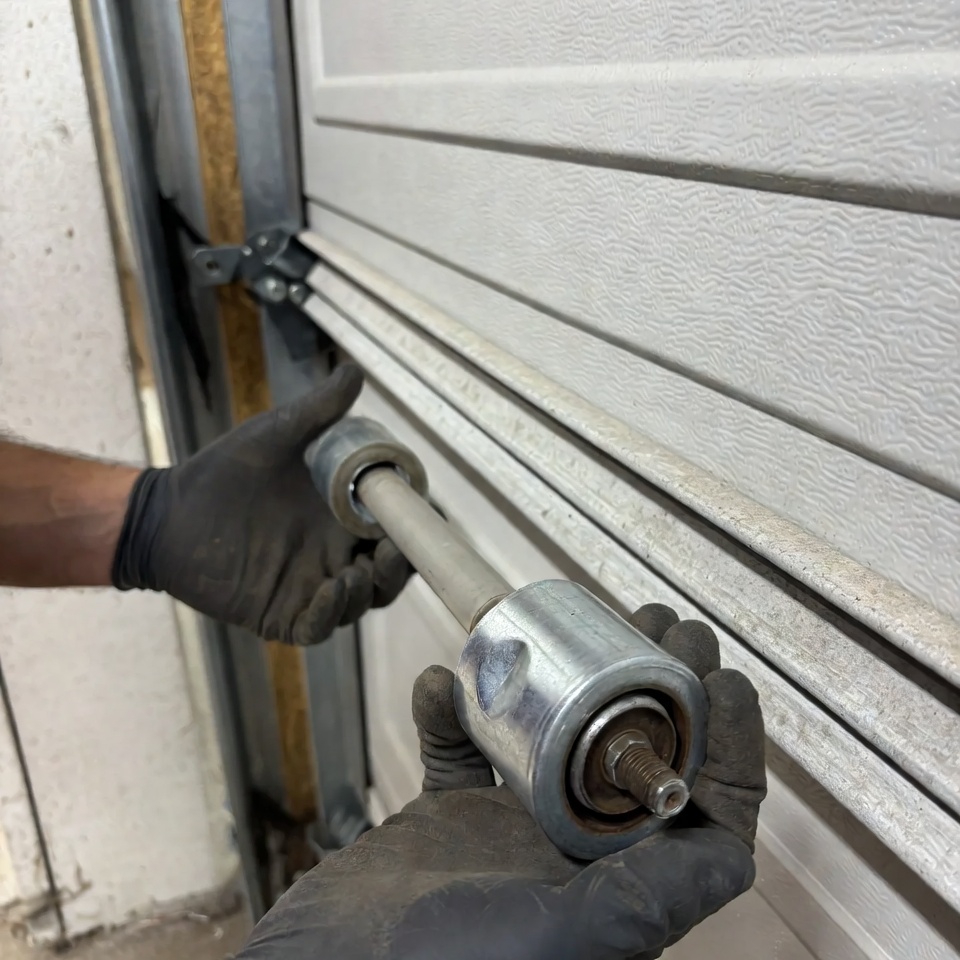
Garage Door Roller Repair in Los Angeles Rarely Starts With a Major Failure
Most people don’t wake up thinking they need garage door roller repair in Los Angeles. What they notice instead is something small.
A faint squeak.
A short scraping sound.
A vibration that wasn’t there before.
Because the door still opens and closes, it’s easy to assume it’s nothing serious. In reality, rollers are often the first part of the system to signal that something deeper is starting to go wrong.
After years of field work across Los Angeles, I can say this clearly: roller issues are rarely isolated problems. They’re early warnings.
Why Rollers Matter More Than Most Homeowners Realize
Garage door rollers don’t get much attention because they’re small and out of sight. Yet they carry an enormous responsibility.
Each roller:
- Guides the door through the track
- Reduces friction under heavy load
- Keeps movement smooth and predictable
When rollers stop doing their job properly, the rest of the system has to compensate. That’s where trouble begins.
A Los Angeles Roller Repair Call That Explains the Pattern
One garage door roller repair job in Los Angeles stands out because the homeowner almost didn’t call.
They described the issue as “just a little noise near the top.” It came and went, and the door still worked fine. Life stayed busy, so the sound stayed on the back burner.
Once the door was disconnected from the opener and moved by hand, the issue became obvious. Several rollers had stopped rotating freely. Instead of rolling, they were sliding along the track.
That sliding had already:
- Worn flat spots into the rollers
- Created vibration along the track
- Started loosening mounting hardware
The noise wasn’t the problem. It was the warning.
The Counter-Intuitive Truth About Garage Door Rollers
Here’s something most people don’t expect:
Rollers usually cause damage long before they fail completely
Rollers don’t suddenly stop working. They degrade gradually.
Bearings dry out.
Rotation becomes inconsistent.
Flat spots develop over time.
As that happens, friction replaces motion. The door still moves, but the system is now fighting itself.
That’s why garage door roller repair in Los Angeles often reveals damage elsewhere that homeowners didn’t connect to the noise.
What Actually Breaks When Rollers Are Ignored
Roller issues don’t stay contained. They spread.
Tracks absorb stress they weren’t designed for
Tracks are meant to guide movement, not resist friction.
When rollers slide:
- Tracks experience lateral pressure
- Vibration increases
- Alignment slowly drifts
Over time, even a well-installed track can be pulled out of tolerance.
Hinges begin to flex unnaturally
Rollers that don’t rotate smoothly force hinges to absorb uneven force.
That leads to:
- Loose hinge hardware
- Bent hinge plates
- Uneven panel movement
The door starts closing crooked, even though the panels themselves aren’t damaged yet.
Springs and cables compensate silently
When friction increases, springs and cables do more work to keep the door moving.
As a result:
- Springs fatigue faster
- Cables pull unevenly
- Balance slowly disappears
Roller problems are one of the most common reasons doors lose balance over time.
Why Roller Noise Is Often Misunderstood
Noise is what gets attention, but it’s rarely the root issue.
Noise is a symptom, not the failure
A squeak or scraping sound tells you friction exists. It doesn’t tell you how much damage has already happened.
Lubrication may quiet the sound temporarily, but it doesn’t restore proper roller rotation.
The system keeps wearing — just more quietly.
Why Los Angeles Homes Experience Roller Wear Faster
Certain conditions common in Los Angeles accelerate roller degradation.
Frequent daily use
Many households rely on the garage door as the primary entrance.
More cycles mean:
- Less recovery time for bearings
- Faster wear
- Earlier failure
Rollers don’t rest between uses. They accumulate fatigue.
Heavier, modern garage doors
Insulated and modern doors weigh more than older models.
That added weight increases pressure on rollers, especially if alignment is slightly off.
Small imperfections become big problems faster.
The Mistake That Turns Roller Wear Into Major Damage
One behavior appears on nearly every serious roller repair job.
Ignoring the noise because the door still works
As long as the door opens, people assume the issue can wait.
Each cycle with worn rollers:
- Increases friction
- Spreads vibration
- Transfers stress into the rest of the system
What could have been a simple roller repair often turns into track, hinge, and balance problems.
What Professionals Check Before Recommending Roller Repair
When North Valley Garage Doors evaluates garage door roller repair in Los Angeles, noise is only the starting point.
Roller rotation is tested under load
A roller might spin freely by hand but fail under the weight of the door.
Testing under load reveals:
- Binding points
- Flat spots
- Inconsistent rotation
This step determines whether lubrication is enough or replacement is necessary.
Track condition and alignment are evaluated
Roller damage often leaves evidence behind.
Scrape marks, vibration lines, and uneven wear patterns show how long the issue has been developing.
Why “Just Lubricate It” Is Often the Wrong Advice
Lubrication has its place, but it’s frequently misunderstood.
Lubrication hides friction, it doesn’t fix it
Lubrication can quiet noise temporarily, but it cannot:
- Restore worn bearings
- Remove flat spots
- Correct misalignment
Using lubrication as a solution often delays proper roller repair and increases long-term damage.
How Roller Issues Change the Way a Door Moves
As roller performance declines, movement changes subtly.
The door starts fighting gravity
Instead of gliding smoothly, the door resists at specific points.
That resistance feels like:
- Jerky movement
- Uneven closing
- Increased opener strain
These changes are easy to dismiss until the system reaches its limit.
Why Early Roller Repair Changes Everything
Addressing roller problems early:
- Keeps damage localized
- Protects tracks and hinges
- Preserves door balance
- Prevents emergency repairs
Waiting allows friction to spread throughout the system.
What Happens When Roller Problems Are Left Unchecked
Once rollers begin to fail, the system doesn’t stop immediately. It adapts.
That adaptation is exactly what makes roller damage dangerous.
Instead of breaking outright, the garage door redistributes force in ways it was never designed to handle. Friction increases. Components compensate. Stress spreads quietly across the system.
By the time garage door roller repair in Los Angeles feels unavoidable, the damage has already multiplied.
Friction becomes the new normal
When rollers stop rotating properly, sliding replaces rolling. The door still moves, but every cycle creates resistance.
That resistance:
- Raises operating temperature at contact points
- Loosens fasteners over time
- Introduces vibration into tracks and panels
What feels like a minor annoyance slowly turns into structural strain.
Why Roller Damage Often Leads to Emergency Situations
Roller problems rarely cause an immediate shutdown. Instead, they set the stage for sudden failure.
Compensating components reach their limits
As friction increases:
- Springs lose efficiency faster
- Cables pull unevenly
- Tracks shift under repeated stress
Eventually, something reaches its breaking point. That’s when a routine roller issue becomes an emergency garage door problem.
The Long-Term Effects of Ignored Roller Wear
Rollers may be small, but their influence is large.
Track deformation becomes permanent
Tracks are engineered to guide motion, not fight friction.
Over time, sliding rollers:
- Wear grooves into track surfaces
- Pull tracks out of alignment
- Create tight spots where movement binds
Once deformation sets in, roller replacement alone may no longer be enough.
Hinges and panels absorb uneven forces
Rollers that bind force hinges to flex unnaturally.
That leads to:
- Uneven panel spacing
- Crooked closing paths
- Stress cracks around hinge mounts
What began as a roller issue spreads into the door structure itself.
Why Some Roller Repairs Don’t Last
Homeowners are often surprised when roller issues return after a short time. There’s usually a clear reason.
The root cause wasn’t addressed
Replacing worn rollers without correcting alignment or balance resets the system without fixing the problem.
If:
- The door is out of square
- Tracks aren’t parallel
- Load isn’t evenly distributed
New rollers inherit the same stress that destroyed the old ones.
The Difference Between Temporary Relief and Real Repair
Not all roller repairs are equal.
Temporary relief focuses on symptoms
This approach:
- Silences noise
- Frees stuck rollers
- Restores movement
But it doesn’t change the forces acting on the system.
Real repair restores system balance
Effective garage door roller repair in Los Angeles:
- Restores smooth rotation under load
- Corrects alignment
- Reduces friction system-wide
That’s what prevents repeat failures.
How Professionals Prevent Roller Problems From Returning
Preventing repeat roller damage requires a broader view of the system.
Movement is evaluated, not just components
Watching the door move reveals:
- Where resistance occurs
- How weight shifts during travel
- Which components are compensating
Those observations guide proper correction.
Balance testing changes everything
A balanced door:
- Moves evenly
- Reduces roller stress
- Extends component life
Without balance, even new rollers wear prematurely.
Why Roller Issues Feel Sudden but Aren’t
Many homeowners say roller failure “came out of nowhere.”
It didn’t.
Gradual change hides urgency
As rollers degrade slowly, the system adapts. People adapt too.
Noise becomes familiar. Resistance feels normal. Movement still happens.
Until one day, it doesn’t.
When Roller Repair Is No Longer Optional
There’s a point where ignoring rollers stops being a choice.
Signs it’s time to act
- Repeated noise in the same spot
- Visible wobble during movement
- Uneven closing or opening
- Increased opener strain
- Vibration felt through the door
These aren’t quirks. They’re warnings.
Why Early Roller Repair Protects the Entire System
Addressing roller issues early:
- Keeps damage localized
- Preserves track integrity
- Protects springs and cables
- Prevents emergency breakdowns
Waiting allows friction to spread unchecked.
A Field Insight Most Homeowners Never Hear
After years of evaluating roller failures, one truth stands out.
Rollers fail first because they absorb everything
They carry weight.
They guide movement.
They absorb misalignment.
When something is off elsewhere in the system, rollers feel it first.
Ignoring them means ignoring the system’s earliest warning.
The Real Cost of Ignoring Roller Problems
The cost isn’t measured in money here. It’s measured in damage scope.
Roller problems that are addressed early stay simple.
Roller problems that are ignored spread.
Final Thoughts From the Field
After countless garage door roller repair jobs, one pattern repeats.
Small sounds usually tell big stories
A squeak isn’t just noise.
A vibration isn’t just annoyance.
A scrape isn’t just cosmetic.
They’re the system asking for attention.
Listening early keeps roller repair controlled and predictable. Ignoring it invites larger failures later.