
The Hidden Problems Behind Most Emergency Garage Door Repair Searches
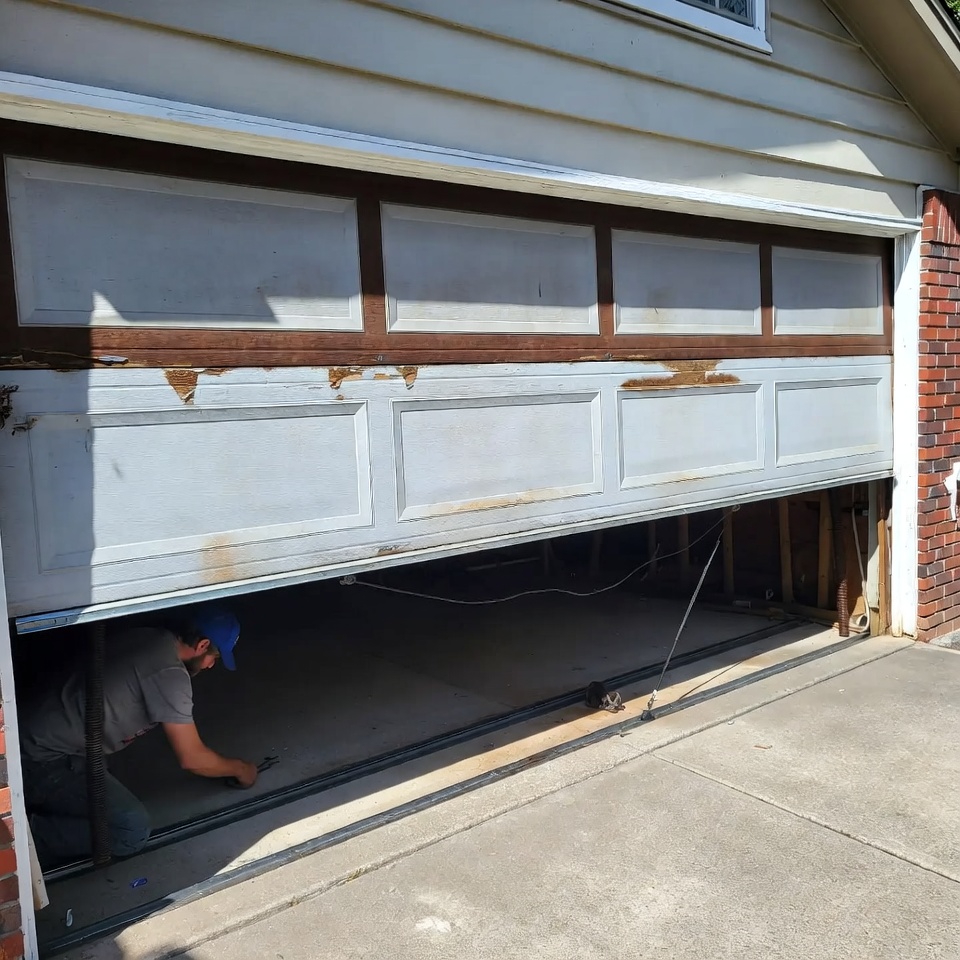
Emergency Garage Door Repair Near Me Rarely Starts as an Emergency
Almost every time someone searches emergency garage door repair near me, the urgency feels brand new. The door won’t open. The opener hums. The clock is ticking.
What’s missing in that moment is context.
From years of answering emergency calls, I can say this clearly: true emergencies don’t begin at the moment of failure. They begin quietly, weeks or even months earlier, with signals that don’t feel urgent at the time.
The Pattern Behind “Near Me” Searches
There’s a reason people don’t search “garage door maintenance near me” at midnight. They search for emergencies when something crosses from inconvenient to impossible.
Usually, the story looks like this:
- The door felt heavier for a while
- A noise appeared, then disappeared
- The opener started sounding louder
- Movement felt less smooth
None of that triggers panic. Until the door stops moving altogether.
A Call That Explains Most Emergency Searches
One emergency call still stands out because the homeowner almost talked themselves out of calling.
They said the door had been “a little weird” for months. Sometimes it hesitated. Sometimes it sounded off. But it always worked again, so life moved on.
That night, it didn’t.
When I arrived, the failure wasn’t mysterious. Rollers were binding. The door was out of balance. Springs had been compensating unevenly for a long time.
The emergency wasn’t sudden.
The awareness was.
The Counter-Intuitive Truth About Garage Door Emergencies
Here’s the part most people don’t expect:
Doors fail quietly before they fail loudly
Garage doors are designed to tolerate problems. They redistribute stress. They compensate internally. They keep moving even when things aren’t right.
That tolerance is what turns small problems into emergency garage door repair near me searches later.
What Actually Breaks Before the Door Stops Moving
Emergencies don’t come from one dramatic failure. They come from layers of stress finally stacking too high.
Rollers stop rolling first
Rollers are meant to reduce friction. Once bearings dry out or flatten slightly, rolling turns into sliding.
At first:
- Noise appears briefly
- Vibration shows up in the same spot
Later:
- Tracks start absorbing force
- Hardware loosens
- Alignment drifts
By the time movement stops, roller failure has already done damage elsewhere.
Springs weaken long before they snap
Many emergency calls are blamed on springs, but springs usually aren’t the original problem.
They lose lifting efficiency gradually. As they weaken:
- Doors feel heavier
- Openers work harder
- Cables pull unevenly
The snap, if it happens, is just the final moment.
Why Emergencies Always Happen at the Worst Time
People often ask why garage doors fail right before work, late at night, or during bad weather.
The reason isn’t luck.
Small environmental changes expose weak systems
Temperature shifts, humidity changes, and even daily cooling cycles affect metal components.
A healthy system absorbs those changes.
A stressed one can’t.
That’s why emergency garage door repair near me searches spike when conditions change suddenly.
The Behavior That Turns Problems Into Emergencies
One action shows up on nearly every emergency call.
Forcing the door to keep working
When the door hesitates, people try again. And again.
Each attempt:
- Forces weakened springs
- Grinds worn rollers
- Pushes misaligned tracks
What might have been a manageable repair becomes a full emergency.
Why “It Worked Yesterday” Is Misleading
Movement doesn’t equal health.
A garage door can open while:
- Balance is off
- Stress is spreading
- Components are compensating
The system keeps going until it reaches a point where compensation is no longer possible.
That’s when emergency searches happen.
What Professionals Check First on Emergency Calls
When North Valley Garage Doors responds to emergency situations, the obvious failure is only the starting point.
Balance tells the real story
A balanced door:
- Lifts easily by hand
- Stays in place halfway
- Moves smoothly without resistance
If balance is off, every other fix is temporary.
Wear patterns reveal how long the issue existed
Uneven roller wear, cable drift, and vibration marks show whether the emergency developed overnight or over months.
Those details matter for preventing repeat emergencies.
Why Emergencies Feel So Stressful
Garage door emergencies don’t just stop a door. They disrupt routines.
Cars get trapped.
Schedules collapse.
Security feels compromised.
That emotional pressure is why “near me” becomes the priority. People want the problem gone immediately.
What Most Homeowners Miss Before an Emergency
The signs are there, but they’re easy to rationalize away.
Gradual change feels normal
A door that gets louder slowly doesn’t trigger urgency. A heavier feel becomes routine. People adapt without realizing it.
That adaptation is what allows emergencies to build quietly.
Why Early Attention Changes Everything
Addressing issues early:
- Keeps repairs controlled
- Limits damage to one component
- Prevents late-night emergencies
- Reduces system-wide stress
Waiting compresses all of that into one urgent moment.
What Happens If an Emergency Repair Is Treated as “Just a Fix”
Once the door stops moving, most people want only one thing: to get it working again as fast as possible. That reaction is completely understandable.
The problem is what happens after the door moves again.
Emergency garage door repair situations often get resolved under pressure. The immediate failure is addressed, the door opens, and relief sets in. What doesn’t always get addressed is why the emergency happened in the first place.
When that root cause is ignored, emergencies tend to repeat.
Restoring movement doesn’t always restore health
A door can move again while:
- Balance remains off
- Stress is still spreading
- Components continue compensating
In those cases, the system is functioning — but not healed.
That’s how one emergency garage door repair near me search turns into another a few months later.
Why Emergency Repairs Repeat in the Same Homes
After enough emergency calls, a pattern becomes impossible to ignore.
Some doors fail once. Others fail over and over.
The system was never reset
When only the obvious failure is addressed, the system returns to operation with the same underlying weaknesses.
For example:
- A broken cable is replaced, but balance isn’t corrected
- A jammed roller is freed, but alignment remains off
- A snapped spring is replaced, but stress elsewhere is ignored
The door works again, but the conditions that caused the emergency remain.
The Risky Decisions People Make Right After a Breakdown
Stress leads to shortcuts. Emergency situations magnify that tendency.
Forcing the door manually
When a garage door won’t open, many people try to lift it themselves.
That often leads to:
- Pulled cables
- Bent tracks
- Shifted panels
- Secondary alignment issues
What began as one failure quickly becomes several.
Repeatedly testing the door “to make sure”
After an emergency repair, people tend to open and close the door multiple times.
If underlying stress hasn’t been resolved, those extra cycles accelerate wear immediately.
Why Emergency Garage Door Repair Near Me Searches Feel So Personal
There’s a reason these searches feel different from normal service requests.
Emergencies don’t just affect the door. They affect daily life.
Cars get trapped.
Security feels compromised.
Plans fall apart.
That emotional weight is why urgency spikes — and why people often don’t think beyond the immediate fix.
What Professionals Look for After the Door Moves Again
Once the door is operational, the most important work actually begins.
When North Valley Garage Doors handles emergency situations, the goal isn’t just movement — it’s stability.
Balance is checked before anything else
A door that isn’t balanced will fail again. It’s that simple.
A healthy door:
- Lifts easily by hand
- Stays in place halfway
- Moves evenly without drifting
If balance isn’t restored, the emergency hasn’t truly been resolved.
Wear patterns reveal the real cause
Scrape marks, uneven roller wear, cable tracking, and vibration points all tell a story.
Those signs show:
- How long the issue has been building
- Which component failed first
- Where stress will appear next
Ignoring those patterns guarantees another emergency.
The Difference Between Emergency Repair and Emergency Prevention
Emergency repair restores access.
Emergency prevention restores confidence.
Repair solves the moment
It gets the car out.
It gets the door closed.
It restores basic function.
Prevention removes urgency from the future
By correcting:
- Balance
- Alignment
- Load distribution
- Early wear
Future “near me” emergency searches become far less likely.
Why Some Doors Are Emergency-Prone
Certain systems are more likely to end up in emergency situations.
Doors that have been compensating for a long time
Long-term imbalance trains a system to survive — not to operate correctly.
When compensation reaches its limit, failure feels sudden and unavoidable.
Doors that were “good enough” for too long
A door doesn’t have to be perfect to function. But functioning while stressed is not the same as functioning safely.
The longer “good enough” is accepted, the closer an emergency becomes.
When to Take Action Before Another Emergency Happens
Not every change requires immediate panic. Some changes should never be ignored.
Pay attention if
- The door feels heavier than before
- Movement becomes uneven
- New sounds appear repeatedly
- The opener sounds strained
- The door hesitates in the same spot
Those are signals, not quirks.
The Biggest Myth Behind Emergency Garage Door Repairs
After years of seeing the same situations repeat, one belief causes the most stress.
“Emergencies are unavoidable”
They aren’t.
Most emergency garage door repair near me searches are the final chapter of a story that started quietly.
Listening earlier changes the ending.
Why Early Attention Is the Real Solution
Addressing issues early:
- Keeps repairs predictable
- Limits damage to single components
- Prevents late-night failures
- Protects the rest of the system
Waiting compresses all of that into one urgent moment.
A Final Thought From the Field
After responding to countless emergency garage door repair situations, one thing remains consistent.
Emergencies don’t come out of nowhere
They build.
They warn.
They wait.
When those warnings are ignored, urgency takes over. When they’re addressed early, emergencies often never happen.
About the Author
This article reflects real-world field experience from North Valley Garage Doors, helping homeowners resolve urgent garage door failures while also focusing on long-term stability, safety, and preventing repeat emergency situations.