
That Strange Garage Door Noise in Reseda Isn’t Random (Here’s Why)
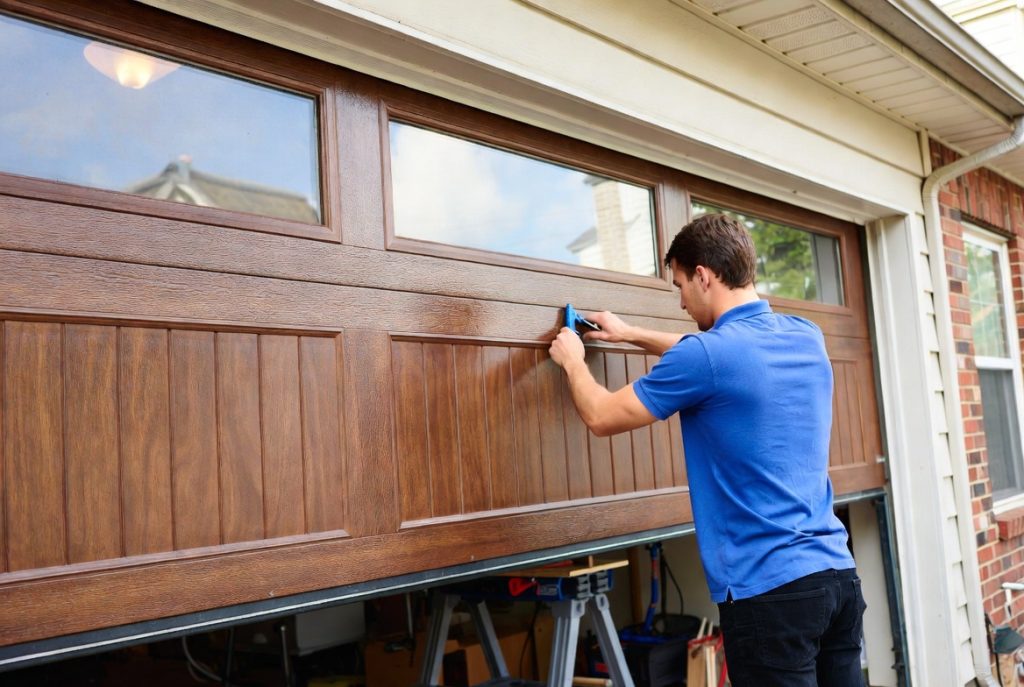
Garage Door Noises Are Never “Just a Sound”
If you live in Reseda, CA, you’ve probably heard it at some point. A squeak that wasn’t there before. A scraping sound that only happens on the way down. A brief pop that disappears as quickly as it came.
Most homeowners tell me the same thing:
“It’s probably nothing. It still works.”
And I get why. Garage doors don’t come with warning lights or error messages. They communicate through sound and movement. If you don’t know what you’re listening for, it’s easy to assume noise is just part of owning a garage door.
But here’s the truth: garage door noises are rarely random. They’re signals.
The Counter-Intuitive Truth About Noisy Garage Doors
This surprises almost everyone the first time they hear it:
The quieter a garage door used to be, the more important new noises become
If your garage door has always been loud, a little noise blends in. But if it was smooth and quiet for years and suddenly changes, that’s not “normal wear.”
That’s the system telling you something has shifted.
In my experience handling garage door repair calls in Reseda, noise is almost always the first symptom, not the problem itself.
A Reseda, CA Job That Explains This Perfectly
There’s one house in Reseda, CA I think about every time someone tells me a noise “comes and goes.”
The homeowner said the door made a short scraping sound about once every few days. No pattern. No consistency. Sometimes it was silent for a week.
When I arrived, everything looked fine. The door moved. The opener responded. Nothing was visibly broken.
But when I disconnected the opener and lifted the door by hand, the story changed.
One roller wasn’t spinning freely. It was sliding just enough to create friction at a specific point in the track. Every time the door passed that spot under the right load, it made noise.
That one roller was slowly transferring stress into the track, then into the cables, then into the springs.
The noise wasn’t random. It was precise.
Why Noises Are Easy to Ignore in Reseda
Homeowners in Reseda, CA tend to dismiss garage door sounds for a few common reasons.
The Noise Isn’t Consistent
Inconsistent sounds feel unreliable, so people ignore them.
A squeak that happens once today but not tomorrow feels less urgent than a constant grinding noise. But inconsistency usually means a part is failing under specific conditions.
That’s often more dangerous than constant noise.
The Door Still Moves Smoothly (Most of the Time)
Movement creates confidence.
If the door opens and closes, it feels functional. But movement doesn’t tell you how hard the system is working to make that happen.
Strong openers hide mechanical problems extremely well.
The Most Common Garage Door Noises and What They Actually Mean
Not all sounds come from the same issue. Each noise points to a different kind of stress.
Squeaking or Chirping
This is one of the most common sounds homeowners report.
What it usually means
- Roller bearings drying out
- Metal-on-metal contact beginning
- Components no longer moving freely
This sound often appears before anything feels wrong with movement.
Scraping or Rubbing
This one tends to happen during travel, not at rest.
What it usually means
- Rollers sliding instead of rolling
- Track alignment drifting
- Uneven load distribution
Scraping noises are mechanical friction. And friction always spreads stress.
Popping or Snapping Sounds
These sounds tend to alarm people — and for good reason.
What it usually means
- Springs adjusting under uneven tension
- Hardware shifting under load
- Components snapping back into place
This noise often appears when balance is starting to fail.
A Louder Opener Than Before
This gets blamed on the motor, but that’s rarely the real issue.
What’s actually happening
When resistance increases anywhere in the system, the opener compensates. That compensation sounds like strain.
The opener is reacting, not failing.
Why Noise Comes Before Failure
Garage door systems are designed to tolerate stress — up to a point.
The system compensates before it breaks
When a roller binds, springs work harder.
When springs weaken, the opener lifts more weight.
When cables drift, tracks absorb uneven pressure.
Each component protects the next for a while.
Noise is the sound of that compensation happening.
What’s Actually Happening Inside the System When You Hear Noise
From the outside, garage doors look simple. Internally, they’re a balance of opposing forces.
Rollers Are Often the First Warning System
Rollers are under constant load. When they stop spinning smoothly, everything else feels it.
Early roller failure looks like
- Bearings drying out
- Wheels flattening slightly
- Rollers shifting inside the track
Noise appears long before total failure.
Tracks Start Carrying More Load Than Designed
Tracks are guides, not weight-bearing components.
When friction increases:
- Tracks vibrate
- Hardware loosens
- Alignment shifts further
That vibration often becomes audible.
Springs Begin Working Outside Their Ideal Range
Springs are designed to lift a balanced door, not fight friction.
As resistance grows:
- Springs stretch unevenly
- Tension fluctuates
- Noise appears during movement
This is one of the clearest signs that garage door repair in Reseda, CA may be needed soon.
Why Noises Seem to Disappear (But Don’t)
This confuses homeowners the most.
Conditions change
Temperature, humidity, and usage patterns affect metal components.
A noise that appears in the morning may vanish by afternoon. That doesn’t mean the issue fixed itself.
It means the conditions changed.
Wear isn’t linear
Components don’t wear evenly.
They fail under specific loads, angles, and timing. That’s why noise can come and go — until it doesn’t.
The Mistake That Turns a Noise Into a Breakdown
After years of handling garage door repair calls in Reseda, the biggest mistake is consistent.
Waiting because the noise isn’t constant
People wait for certainty. Garage doors don’t offer it.
By the time noise becomes constant, wear has already spread.
What Professionals Listen for First
When North Valley Garage Doors inspects a noisy garage door in Reseda, CA, the sound is just the starting point.
Sound helps locate stress
We listen for:
- Where the noise happens
- When it happens
- How it changes during movement
Sound narrows the search.
Movement confirms the cause
Noise alone isn’t enough. Watching how the door moves under load reveals the real issue.
Why Acting Early Saves More Than Just Hassle
Catching noise early doesn’t just prevent breakdowns.
It:
- Preserves component life
- Maintains balance
- Prevents chain-reaction wear
- Keeps repairs small
Ignoring noise almost always leads to a larger garage door repair situation in Reseda, CA later.
What Actually Fails If the Noise Keeps Getting Ignored
By the time most homeowners in Reseda, CA finally decide something is wrong enough to act, the noise has already done its job. It wasn’t just an annoyance. It was a warning that went unanswered.
And when that happens, the system doesn’t fail gracefully.
It fails in layers.
Garage door failures are almost never one-part problems
This is one of the biggest misconceptions I see.
People expect:
- One broken roller
- One snapped spring
- One loose bolt
What they usually have is a system where several parts are already stressed beyond their comfort zone.
Noise is the sound of stress transferring from one component to another.
Rollers That Finally Give Up
If a squeak or scrape has been coming and going for a while, rollers are often the first component to reach their limit.
What happens when rollers stop rolling
Rollers are designed to spin smoothly under load. When bearings dry out or deform:
- Rollers begin sliding instead of rolling
- Friction increases at specific points
- Tracks take on forces they weren’t designed for
Eventually, one of two things happens:
- The roller seizes
- The roller jumps the track
That’s when homeowners in Reseda, CA suddenly have a door that won’t move at all.
Tracks That Have Been Taking Too Much Abuse
Tracks are guides, not shock absorbers.
How noise leads to track damage
When rollers don’t move properly:
- Tracks vibrate
- Mounting brackets loosen
- Alignment drifts
At first, this creates more noise. Later, it creates resistance. Eventually, the door physically cannot follow the path it’s being forced into.
That’s when doors start sticking halfway, shaking violently, or stopping entirely.
Springs That Didn’t Break, But Already Failed
This part surprises almost everyone.
Springs don’t need to snap to stop doing their job
A spring can lose a significant portion of its lifting power without ever breaking.
When that happens:
- The door slowly becomes heavier
- The opener compensates
- Cables experience uneven tension
Noise often appears during this stage because the system is no longer balanced.
By the time the door stops moving, the spring has been struggling for a long time.
That’s why so many garage door repair situations in Reseda, CA feel sudden even though the warning signs were audible for months.
Cables That Drift Just Enough to Jam the Door
Cables depend on balance to stay even.
Early cable issues are easy to miss
The signs are subtle:
- One side of the door lifting slightly faster
- A mild tilt during movement
- A vibration you feel but can’t see
If noise is ignored, cable tension continues drifting. Eventually, the door twists just enough to bind inside the track.
At that point, the door isn’t just noisy. It’s stuck.
Why Breakdowns Always Happen at the Worst Time
This is one of the most common frustrations homeowners express.
“Why did it fail today?”
There’s a mechanical reason.
Temperature and timing expose weak systems
In Reseda, CA, garage doors experience:
- Cooler mornings
- Warmer afternoons
- Frequent daily cycles
Metal contracts when it cools. Springs lose a bit of tension. Bearings tighten.
If the system is already stressed, that small environmental change is enough to push it past its limit.
That’s why breakdowns often happen first thing in the morning or right when someone needs to leave.
Temporary Noise Fixes vs Real Solutions
Not every quiet door is a healthy door.
Why lubrication alone is misleading
Lubrication can:
- Reduce sound
- Mask friction
- Make movement feel smoother
But it doesn’t fix:
- Imbalance
- Misalignment
- Uneven wear
A door can become quieter while still heading toward failure.
Why force adjustments make things worse
Increasing opener force is another common shortcut.
The door moves again, but now:
- Springs stay weak
- Rollers continue binding
- Tracks absorb more stress
Noise disappears temporarily, then returns louder than before.
What Real Garage Door Repair Actually Addresses
When noise leads to a proper repair, the focus shifts from sound to structure.
Balance comes first
A healthy garage door:
- Lifts easily by hand
- Stays in place halfway
- Doesn’t rely on the opener for weight
Balance removes the need for compensation — and compensation is what creates noise.
Movement reveals everything
Watching how the door moves under load exposes:
- Resistance points
- Uneven travel
- Stress transfer
Noise helps identify where to look. Movement confirms why it’s happening.
How Professionals Prevent the Same Noise From Coming Back
At North Valley Garage Doors, noise complaints in Reseda, CA are treated as system warnings, not annoyances.
The goal isn’t silence, it’s stability
A silent door that’s out of balance will become noisy again.
A balanced door becomes quiet naturally.
That difference matters.
Parts are replaced with context
Replacing a noisy component without correcting the cause just delays the next sound.
When the system is stabilized:
- New parts last longer
- Movement stays consistent
- Noise doesn’t return
The Moment Homeowners Realize the Noise Was a Warning
There’s a moment after a proper repair that happens almost every time.
The homeowner presses the button.
The door moves smoothly.
No squeak. No scrape. No hesitation.
And they say something like:
“I didn’t realize how bad it had gotten.”
That realization comes from contrast. The body remembers stress even when the mind normalizes it.
When to Take Garage Door Noise Seriously
You don’t need to diagnose the problem yourself. But certain signs mean it’s time to act.
Don’t ignore noise if
- It’s new
- It’s inconsistent
- It appears at the same spot during travel
- It’s getting louder
- It’s paired with hesitation or vibration
Those aren’t quirks. They’re early warnings.
The Biggest Myth About Garage Door Sounds
After years of handling repairs, this belief causes the most damage.
“Garage doors are just noisy sometimes”
They aren’t.
They’re quiet when balanced.
They’re noisy when stressed.
Sound is communication.
Final Thought — The Noise Is Telling You a Story
If there’s one thing homeowners in Reseda, CA should remember, it’s this:
Garage door noise is never random
It points to:
- Where friction is developing
- How balance is shifting
- Which component is compensating
Listening early keeps repairs simple.
Ignoring sound turns warnings into breakdowns.
And by the time silence returns on its own, something has already failed