
What Homeowners Usually Miss Before They Need a Garage Door Repair in Los Angeles
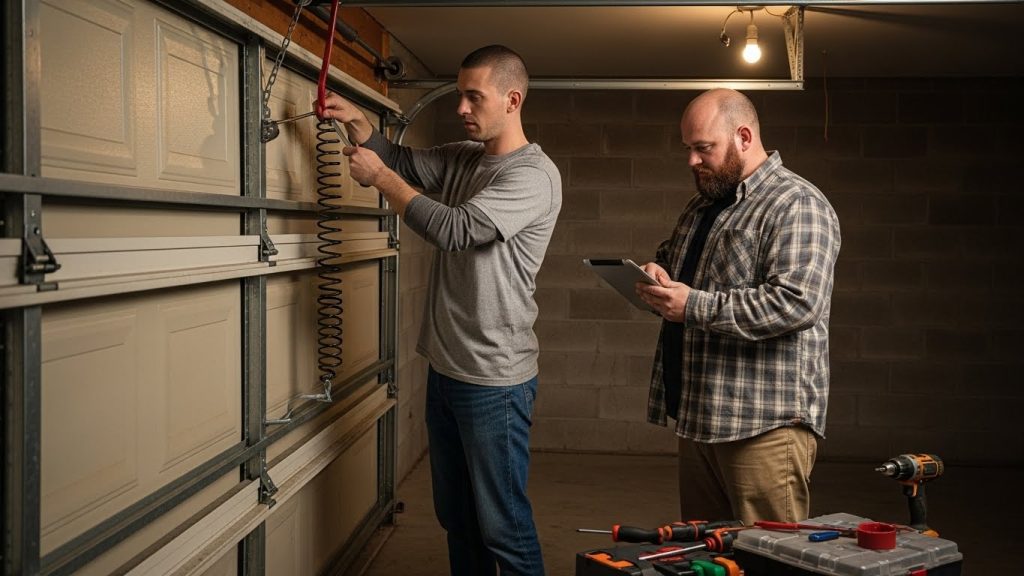
The Call That Starts With “It Was Working Yesterday”
If I had a dollar for every time someone in Los Angeles, CA said, “It was working fine yesterday,” I’d probably be retired by now.
That line usually comes right before I walk into a garage where the door is stuck halfway open, leaning to one side, or refusing to move at all. And almost every time, the homeowner is genuinely surprised. They didn’t ignore a big problem. They didn’t see a major failure coming. They just missed the small stuff.
That’s the thing about los angeles garage door repair calls. They rarely start with something dramatic. They start with subtle changes that feel easy to brush off because life is busy and the door still opens.
Until it doesn’t.
The Counter-Intuitive Truth Most Homeowners Don’t Expect
Here’s something that surprises almost everyone I talk to:
Garage doors don’t fail suddenly — they fail quietly
A spring almost never snaps without warning.
A cable doesn’t usually break out of nowhere.
A door doesn’t come off track randomly.
What actually happens is a slow shift in balance, friction, and load. One small thing changes, then another compensates, then another gets stressed. By the time the door stops working, the system has been unhealthy for a long time.
This is the core reason so many los angeles garage door repair situations feel like they came out of nowhere, even though they didn’t.
The “Small” Warning Signs Homeowners in Los Angeles, CA Tend to Ignore
Let’s talk about the stuff that gets missed the most. These aren’t obvious failures. These are the everyday signs that quietly point toward trouble.
A New Noise That Wasn’t There Before
This is the big one.
A squeak.
A scrape.
A soft grinding sound.
A click that happens once every cycle.
Why this matters
Garage doors are repetitive systems. They do the same motion thousands of times. When a new sound appears, it means something in that motion has changed.
Most of the time, that change is:
- A roller starting to bind
- A track shifting slightly
- A spring losing tension unevenly
- A cable no longer pulling evenly
The noise itself isn’t the problem. It’s the symptom. Ignoring it is how a simple adjustment turns into a full los angeles garage door repair call later.
The Door Feels “Heavier” But Still Works
A lot of homeowners notice this and then talk themselves out of it.
“It’s probably just in my head.”
“It’s always been like that.”
“It still opens, so it’s fine.”
What’s actually happening
A garage door should feel surprisingly light when lifted by hand. If it starts to feel heavier:
- Springs are weakening
- Balance is drifting
- The opener is compensating
That compensation hides the problem until the opener can’t keep up anymore. When that happens, the door doesn’t slowly get worse — it just stops.
This is one of the most common paths that leads to los angeles garage door repair emergencies.
The Opener Sounds Louder Than It Used To
People love to blame the opener.
“The motor’s getting old.”
“It probably needs to be replaced.”
Most of the time, that’s not the real issue.
Why openers get loud
Openers aren’t designed to lift heavy doors. Springs do that. When springs weaken or friction increases, the opener picks up the slack.
That extra work causes:
- Louder operation
- Hesitation during lift
- Sudden reversals
- Overheating
By the time the opener fails, the real problem has already spread through the system.
The Door Shakes, Jerks, or Hesitates Slightly
This one gets ignored because it feels minor.
What it usually points to
- Rollers wearing unevenly
- Tracks drifting out of alignment
- Cable tension becoming uneven
- Panels no longer moving as one unit
A smooth door moves in one clean motion. When movement gets choppy, the system is fighting itself. That resistance doesn’t go away on its own.
In Los Angeles, CA, where many garages are older or remodeled multiple times, this kind of subtle misalignment is incredibly common.
Why These Problems Are So Easy to Miss
Most homeowners aren’t careless. They’re just dealing with a system that hides its problems well.
Garage Doors Are Forgiving — Until They’re Not
A garage door will keep working even when it’s unhealthy. That’s part of the problem. It creates a false sense of security.
The opener compensates.
The door muscles through resistance.
The noise becomes familiar.
Then one day, the system hits a breaking point.
That’s why so many los angeles garage door repair calls happen early in the morning or late at night, right when someone needs the door to work.
Most Mechanical Problems Aren’t Visible
You can’t see:
- Spring fatigue
- Bearing wear
- Cable stretch
- Track pressure points
From the outside, everything looks normal. That’s why waiting for something “obvious” almost always means waiting too long.
What a Professional Actually Looks for (That Homeowners Don’t)
When someone calls North Valley Garage Doors for los angeles garage door repair, the first thing we do isn’t replace parts. It’s diagnose.
Here’s what that actually involves.
Manual Balance Testing
Before touching the opener, the door gets lifted by hand.
This tells us
- How much the springs are really lifting
- Where resistance exists
- Whether the door is balanced or drifting
A healthy door should lift smoothly and stay halfway open without falling or rising.
Roller and Track Behavior Under Load
Rollers can look fine and still be a problem.
What we check
- Do rollers spin freely under weight?
- Are they wearing evenly?
- Are tracks guiding or fighting the door?
Most noise-related issues start here.
Cable and Drum Synchronization
Cables must lift evenly on both sides.
Small issues we catch early
- Uneven winding
- Drums drifting on the shaft
- Cables rubbing where they shouldn’t
These are silent problems that eventually stop the door completely.
Spring Performance (Not Just Whether They’re Broken)
A spring doesn’t need to snap to be failing.
We look for
- Loss of torque
- Uneven tension
- Fatigue patterns
Weak springs are one of the biggest reasons homeowners end up needing los angeles garage door repair unexpectedly.
Why Los Angeles, CA Homes Are Especially Prone to These Issues
There are a few reasons these problems show up so often in this area.
Older Homes and Remodels
Los Angeles has a lot of garages that have been:
- Modified
- Reinforced
- Converted
- Reframed
Those changes often affect track alignment and load distribution without anyone realizing it.
Heavier Modern Doors on Older Systems
Many homeowners upgrade the door but keep:
- Old springs
- Old tracks
- Old rollers
The system wasn’t designed for the extra weight, and stress builds quietly.
The Biggest Mistake I See Over and Over
People wait because the door “still works.”
Waiting is what turns small problems into big repairs
A noise today usually means:
- Adjustment tomorrow
- Component wear next month
- Full los angeles garage door repair down the line
Catching issues early isn’t about panic. It’s about control.
What Usually Fails Once the Door Finally Stops Working
By the time most homeowners in Los Angeles, CA call for los angeles garage door repair, the door has already crossed an invisible line. It’s no longer just “acting up.” It’s no longer something you can work around. It has become a real interruption.
What surprises people is not that it failed, but how much is actually wrong once we start inspecting.
Garage doors rarely fail in isolation
When a door stops working, it’s almost never because of a single broken part. It’s because multiple components have been compensating for each other for too long.
Here’s what we most commonly find.
Rollers That Have Been Quietly Binding for Months
Rollers are one of the first components to show early stress, and one of the last to get attention.
What happens when rollers stop spinning freely
- They start sliding instead of rolling
- Friction increases inside the track
- The door loses smooth movement
- Stress transfers to cables and springs
Early on, this just sounds like a squeak. Later, it turns into vibration, jerky motion, and eventually a door that won’t move at all.
In many los angeles garage door repair cases, at least one roller has been failing long before the homeowner ever called.
Springs That Are Still “There” but No Longer Doing Their Job
This one causes a lot of confusion.
Homeowners expect springs to fail dramatically. A loud bang. A visible break. A clear sign.
The reality
Springs often fail quietly by losing tension.
When that happens:
- The door gets heavier
- The opener works harder
- Cables take on uneven load
- The system goes out of balance
The opener masks the issue until it can’t anymore. Then the door suddenly won’t open, and it feels like everything failed at once.
In reality, the spring started failing weeks or months earlier.
Cable Tension That Slowly Drifts Out of Sync
Cables are simple, but unforgiving.
Small cable issues create big problems
- One side lifts faster than the other
- The door tilts slightly
- Tracks experience uneven pressure
- Rollers pop or bind
At first, this might just look like a small shake during operation. Eventually, it becomes a door stuck crooked in the opening.
A lot of los angeles garage door repair calls come in when a cable finally slips far enough to stop the door completely.
Tracks That Have Shifted Just Enough to Cause Resistance
Tracks don’t need to be bent or broken to cause issues.
Minor shifts cause major stress
- Wall settling
- Old fasteners loosening
- Remodels changing framing
- Vibration over time
Even a small change in spacing forces the door to fight its own path. That resistance spreads across the entire system.
This is especially common in Los Angeles, CA, where many garages have been modified multiple times over the years.
Why Garage Doors Always Seem to Fail at the Worst Possible Time
People often ask:
“Why did this happen right now?”
There’s a reason.
H3: Environmental changes push weak systems over the edge
In the evening or early morning:
- Metal contracts
- Springs lose a bit more tension
- Bearings tighten
- Friction increases
If the system is already close to failure, these small changes are enough to stop it completely.
That’s why so many los angeles garage door repair calls happen:
- Before work
- Late at night
- During bad weather
- When time matters most
The door didn’t suddenly fail. It finally reached its limit.
Temporary Fixes vs. Real Repairs (Why Some Problems Come Back)
Not all repairs are equal.
Temporary fixes treat symptoms
These might include:
- Lubricating everything
- Resetting the opener
- Tightening random bolts
- Adjusting force settings
The door moves again, but the root problem is still there.
Real repairs address system balance
A proper repair looks at:
- Door weight vs. spring strength
- Roller condition under load
- Track alignment
- Cable tension on both sides
- Opener behavior after mechanical correction
At North Valley Garage Doors, when we handle los angeles garage door repair, the goal is not just to get the door moving today, but to stop the same issue from coming back next month.
How We Prevent the Same Problem From Returning
Once the immediate issue is resolved, preventing repeat failures comes down to a few key principles.
Restoring Proper Balance
A balanced door:
- Lifts easily by hand
- Stays in place halfway
- Doesn’t rely on the opener for lifting
Balance reduces stress across every component.
Addressing Worn Parts Before They Cause Collateral Damage
Not every part needs replacement, but worn parts don’t fix themselves.
Replacing a failing roller early can prevent:
- Track damage
- Cable wear
- Spring fatigue
- Opener strain
Correcting Alignment Instead of Forcing Operation
Forcing a door through resistance always creates new problems.
Correct alignment:
- Reduces noise
- Improves smoothness
- Extends component life
Making Sure the Opener Is No Longer Compensating
Once the mechanical system is healthy, the opener becomes quiet again.
If the opener still sounds strained, something else is still wrong.
The Moment Homeowners Realize the Difference
After a proper repair, there’s a moment I see almost every time.
The homeowner presses the button.
The door moves.
And then they pause.
“It’s never been this quiet.”
That’s when it clicks.
Noise isn’t normal.
Resistance isn’t normal.
Struggle isn’t normal.
A healthy garage door should feel boring. Smooth. Predictable.
When to Call Before It Turns Into a Breakdown
You don’t need to be an expert. Just pay attention.
Call sooner if
- A new noise appears
- The sound changes
- The door hesitates
- The opener gets louder
- The door feels heavier
- The movement looks uneven
Those are early warnings, not inconveniences.
Catching them early keeps los angeles garage door repair from becoming a full stop to your day.
Final Thought — Most Breakdowns Start With Something You Almost Ignored
If there’s one thing I want homeowners in Los Angeles, CA to take away from this, it’s this:
Garage doors don’t fail silently — we just get used to the noise
That squeak.
That scrape.
That click you stopped noticing.
Those sounds are the system telling you something has changed.
When you listen early, repairs stay simple.
When you wait, they never do.
At North Valley Garage Doors, that’s exactly why we take small signs seriously. Because most major failures don’t start with a bang — they start with something you almost ignored.