
That Heavy Garage Door Feeling? It’s Usually a Spring Issue in Santa Monica
If you’ve noticed your garage door feeling unusually heavy or struggling to open and close, you’re not alone. Many homeowners in Santa Monica experience this issue, and it often points to a problem with the garage door springs. Understanding how these springs function and recognizing the signs of wear and tear can save you time, money, and frustration. In this post, we’ll dive deep into the world of garage door spring replacement, helping you identify issues and understand when it’s time to call in the pros.
Understanding Garage Door Springs
Garage doors typically utilize two main types of springs: torsion springs and extension springs.
- Torsion Springs: These are mounted above the garage door and are responsible for lifting the door by twisting. They provide a powerful lift and are commonly used in heavier doors.
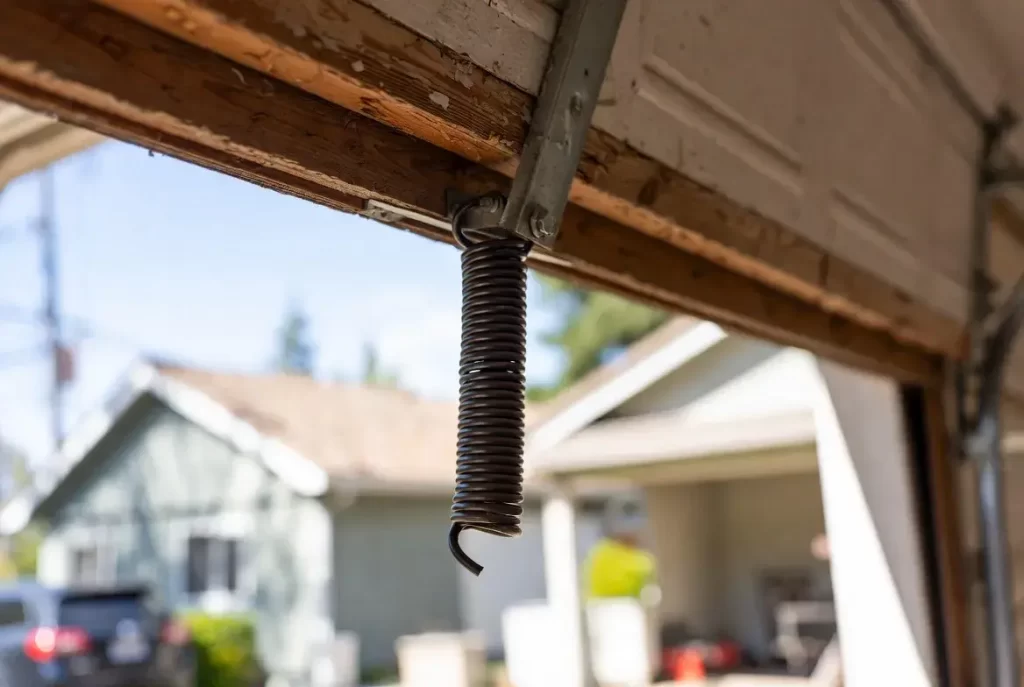
- Extension Springs: Located above the tracks on either side of the door, these springs extend and contract as the door opens and closes. They are generally used for lighter doors.
Both types of springs are crucial for the proper functioning of your garage door. They counterbalance the weight of the door, making it easier for the opener to lift it. When these springs wear out, they can lead to a heavy, hard-to-move garage door.
Signs of a Spring Issue
Identifying a problem with your garage door springs early can prevent more significant issues down the line. Here are some warning signs to watch for:
- Heavy Door: If it feels significantly heavier than usual when you attempt to lift it manually, it could indicate a spring problem.
- Uneven Movement: Does your garage door open or close unevenly? This imbalance is often a sign that one of the springs is broken or malfunctioning.
- Loud Noises: Screeching, popping, or banging noises when operating the door can indicate that the springs are under too much stress or are damaged.
- Visible Wear: Inspect the springs for visible signs of wear such as rust, gaps in the coils, or deformation.
If you notice any of these signs, it’s time to consider garage door spring replacement.
Why Timely Replacement is Crucial
Delaying the replacement of worn-out springs can lead to several issues, including:
- Increased Damage: Other components, like the garage door opener, can be damaged if the springs are not functioning correctly.
- Safety Hazards: A broken spring can lead to sudden door falls, posing a serious risk to anyone nearby.
- Higher Repair Costs: Addressing spring issues sooner rather than later can save you from more extensive repairs caused by neglect.
The Garage Door Spring Replacement Process
Replacing garage door springs may seem daunting, but understanding the process can demystify it. Here’s a step-by-step overview:
1. Assess the Situation
Before attempting any repairs, ensure the garage door is fully closed and unplug the garage door opener. Safety should always be your priority.
2. Gather Tools and Materials
You’ll need:
- Wrenches
- A socket set
- A winding bar (for torsion springs)
- Safety goggles and gloves
- Replacement springs
3. Remove the Old Springs
For torsion springs:
- Loosen the hardware that holds the spring in place.
- Use winding bars to carefully unwind the spring, keeping your hands clear.
For extension springs:
- Disconnect the safety cables and remove the old springs from their brackets.
4. Install the New Springs
Follow the installation instructions specific to your type of spring. Ensure that all hardware is tightened securely and that the springs are properly calibrated.
5. Test the Door
After installation, manually lift the door to ensure it moves smoothly. Once satisfied, plug in the opener and test the automatic function.
When to Call a Professional
While DIY enthusiasts may feel comfortable replacing garage door springs, it’s vital to know your limits. If you’re unsure or feel uncomfortable at any point, it’s best to call a professional. At North Valley Garage Doors, we specialize in garage door spring replacement and can provide expert assistance to ensure your garage door operates safely and efficiently.
Preventative Maintenance Tips
To prolong the life of your garage door springs, consider the following maintenance tips:
- Regular Inspections: Periodically check the springs for signs of wear and tear.
- Lubrication: Use a silicone-based lubricant on the springs to minimize friction.
- Balance Test: Test the door’s balance by disconnecting the opener and lifting the door manually. If it doesn’t stay in place, your springs may need adjustment.
Conclusion
A heavy garage door is often a clear indicator of a spring issue. By understanding the signs and knowing when to act, you can maintain the safety and functionality of your garage door. Regular inspections and timely spring replacements are crucial for preventing more severe problems down the line. If you’re in Santa Monica and suspect a spring issue, don’t hesitate to reach out to North Valley Garage Doors. Our dedicated team is here to help ensure your garage door operates smoothly and safely for years to come.