
Understanding the Heavy Garage Door Feeling: Causes and Solutions
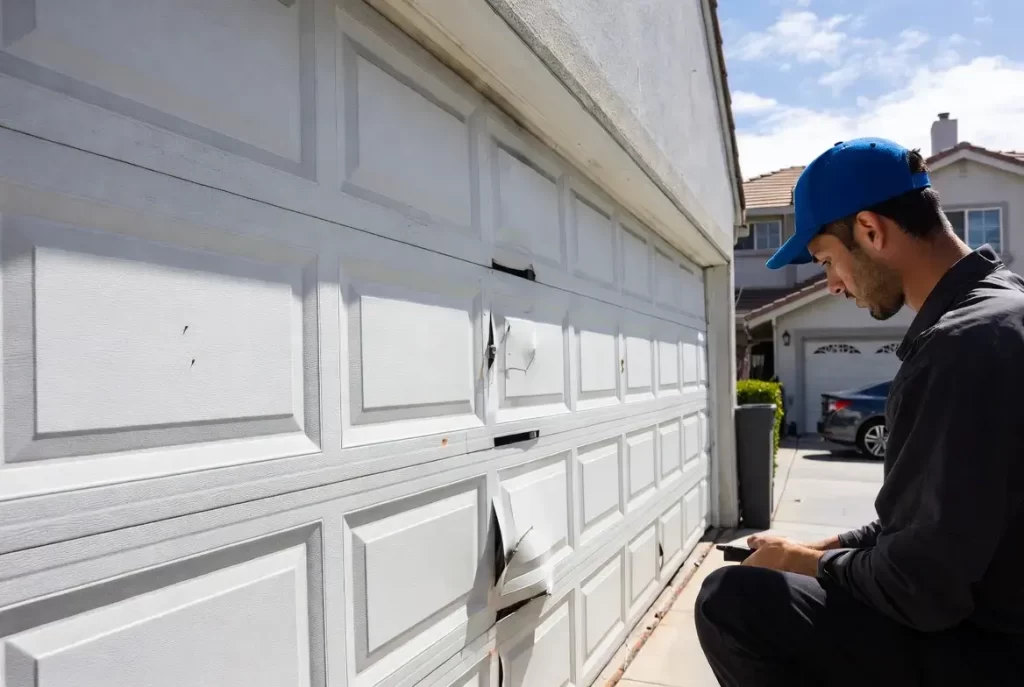
Have you ever experienced that unsettling feeling when trying to lift your garage door, only to find it heavier than usual? This common issue can be more than just a minor inconvenience; it can indicate underlying mechanical problems that need immediate attention. In this post, we’ll explore the reasons behind that heavy garage door feeling, what it means for your garage door system, and when to call for professional garage door repair services in Culver City, CA.
Understanding Garage Door Mechanics
Before we delve into the specifics of a heavy garage door, it’s essential to understand how garage doors function. Garage doors typically operate using a system of springs, cables, and pulleys that help lift the door’s weight. Here’s a breakdown of the mechanics involved:
Springs
- Torsion Springs: These are mounted above the door and provide the major lifting force. They twist and untwist as the door opens and closes.
- Extension Springs: Located on either side of the door, these springs stretch and contract to help lift the door.
Cables and Pulleys
These components work with the springs to ensure smooth operation. Cables are attached to the springs and run through pulleys that guide the door’s movement.
Common Causes of a Heavy Garage Door
If you’ve noticed your garage door feeling heavier than normal, several factors could be at play. Here are some of the most common causes:
1. Worn-Out Springs
Over time, garage door springs can wear out or break. When this occurs, the door becomes significantly heavier because the springs can no longer support its weight. If you notice that your door feels unusually heavy and struggles to lift, it’s a strong sign that the springs may need replacing.
2. Misalignment Issues
Garage doors can become misaligned for several reasons, including wear and tear or external impacts. When the door is misaligned, it can create friction against the tracks, making it feel heavier. Regular maintenance can help prevent misalignment, but it’s a good idea to have a professional assess the situation if you notice issues.
3. Damaged Rollers
The rollers are responsible for guiding the door along its track. If the rollers are damaged or worn, they can create extra resistance, making the door feel heavier. Inspecting and replacing worn rollers can make a significant difference in the door’s operation.
4. Lack of Lubrication
A garage door requires regular lubrication to ensure smooth operation. If the rollers, hinges, and tracks are not properly lubricated, friction increases, leading to that heavy feeling when opening or closing the door. Routine maintenance, including lubrication, can help prevent this issue.
5. Weight of the Door
Sometimes, the problem is simply the weight of the door itself. If you’ve recently replaced your garage door with a heavier model, it may require a different spring system to support the added weight. Consulting with a professional can help determine if your current setup is adequate.
Signs That You Need Professional Help
Recognizing when to call for professional help is crucial in preventing further damage to your garage door system. Here are some signs that indicate it’s time to seek assistance:
- *Unusual Noises**: If your garage door makes grinding or squeaking sounds, it may indicate that components need lubrication or replacement.** -Slow Operation**: A garage door that moves slowly can be a sign of a problem with the springs or rollers.** -Visible Damage**: Inspect your garage door for bent tracks, damaged panels, or frayed cables. These issues can worsen over time if not addressed promptly.** -Frequent Jams**: If your door frequently gets stuck, it’s essential to have a professional inspect the system.
Maintenance Tips to Prevent Heavy Garage Door Issues
Preventative maintenance is key to ensuring your garage door operates smoothly and efficiently. Here are some essential tips to keep your garage door in top shape:
Regular Inspections
Schedule regular inspections of your garage door system. This can help identify potential issues before they become significant problems. Look for signs of wear and tear, and check all components for proper alignment and function.
Lubrication
Make it a habit to lubricate the moving parts of your garage door at least once every six months. Use a silicone-based lubricant on the rollers and tracks to reduce friction and ensure smooth operation.
Balance Testing
An annual balance test can help determine if your garage door is functioning correctly. Disconnect the opener and manually lift the door halfway. If it stays in place, it’s balanced. If it falls or rises, adjustments may be necessary.
Professional Servicing
Consider scheduling an annual professional servicing of your garage door. A trained technician can perform a thorough inspection, identify any issues, and make necessary repairs or adjustments.
Conclusion
Feeling that heavy garage door when trying to lift it in Culver City, CA, can be alarming, but understanding the underlying causes can help you address the issue effectively. Whether it’s worn-out springs, misalignment, or simple maintenance neglect, recognizing the signs early can save you time and money in the long run.
If you’re experiencing issues with your garage door, don’t hesitate to reach out for professional garage door repair services. Our team at North Valley Garage Doors is here to help ensure your garage door operates smoothly and safely. Remember, regular maintenance is key to long-lasting performance.